
The Prison Empire of Ukraine
- Тарас Зозулінський
Part 1:
Drug trafficking, torture, extortion, murder, slave labor, and bribery
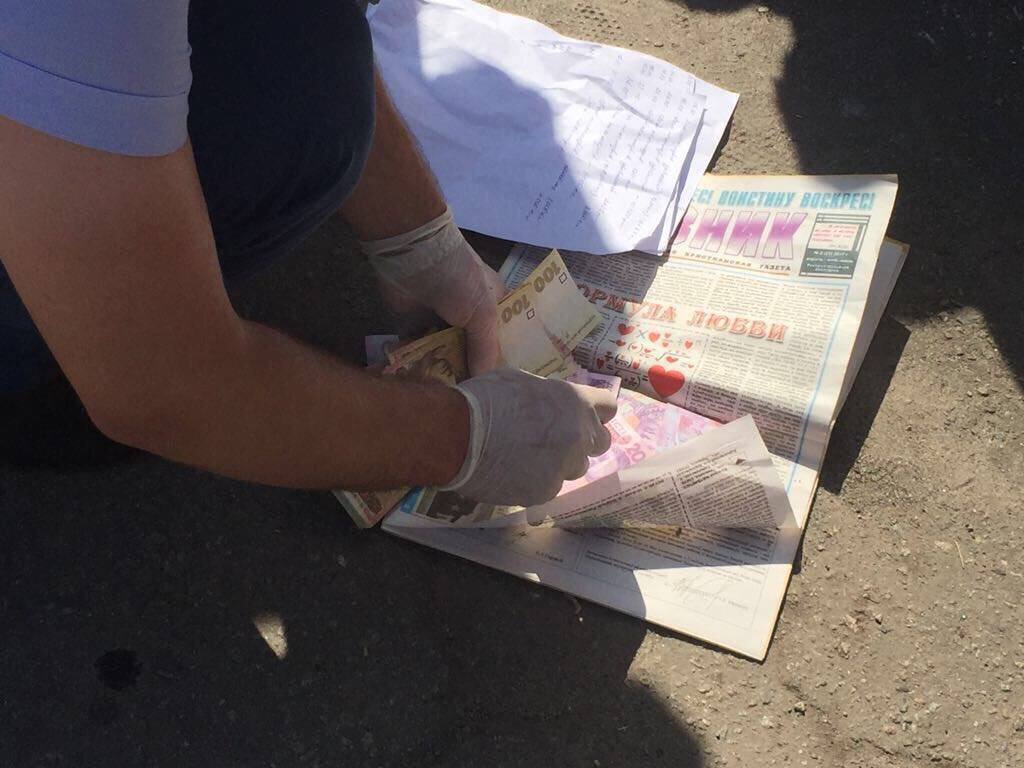
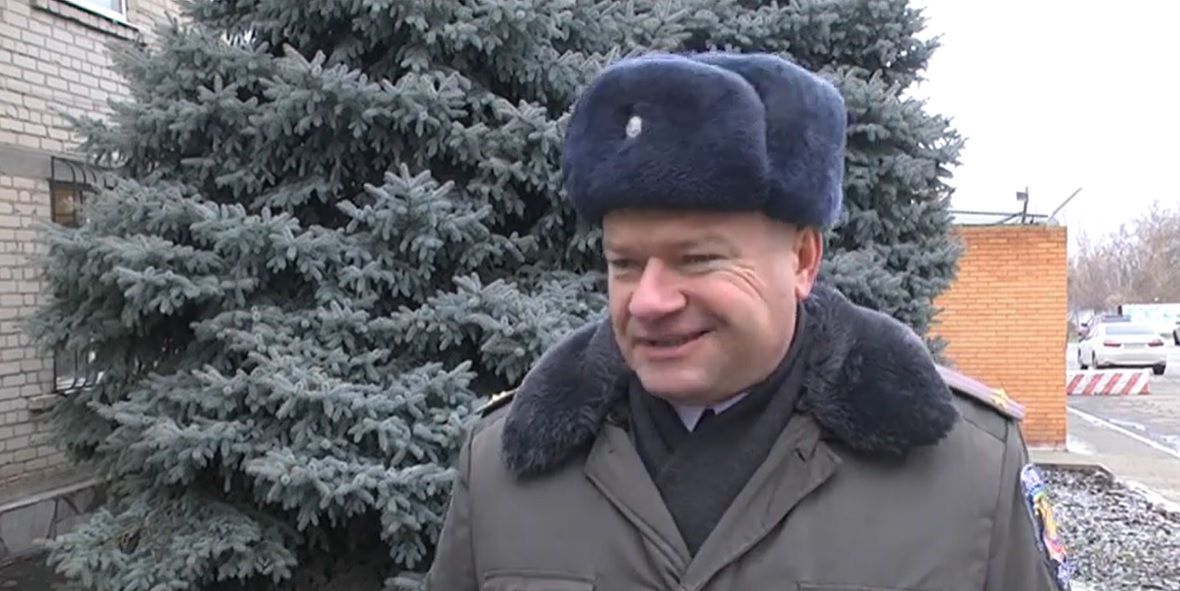
Lieutenant Colonel Hennadii Zinevych stared in despair at the colorful pages of the Christian newspaper "Prisoner", while an SBU undercover officer began counting the marked U.S. dollar bills laid across an illustration of hearts accompanying an article titled "The Formula of Love".
He had other plans for the cash.
Those plans unraveled within seconds. But his anticipated celebration was cut short when military prosecutors and SBU officers, appearing seemingly out of nowhere, surrounded the lieutenant colonel.
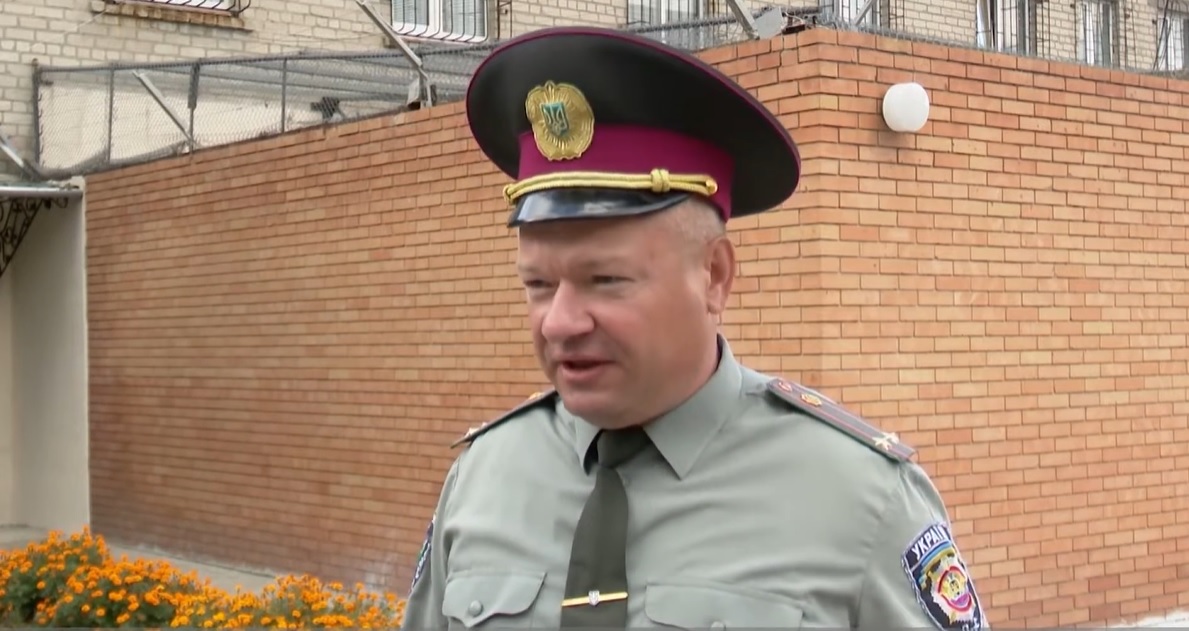
Polished combat boots, a white T-shirt beneath camouflage fatigues, and a military cap swaggeringly cocked at an angle—everything befitted a deputy warden of a correctional colony. This time, however, he was not standing with his head held high. His hands cuffed behind his back, Zinevych gazed silently at the asphalt.
He had been set up by an inmate of the Synelnykove correctional colony and the inmate's acquaintance. According to investigators, the deputy warden had agreed to use his influence to provide the prisoner's early parole in exchange for payment.

I.
The Criminal Adventures of the Leaders of the Synelnykove Zone
The deputy escaped jail for influence peddling. The chief moved into public office and he is accused of embezzling prison assets.
When military prosecutors formally notified Zinevych of the charges the following day, his expression probably appeared even more downcast. At the time, he was accused of accepting a bribe as a public official—an offense that, if proven, carried the prospect of property confiscation in addition to a lengthy prison sentence.
The prosecutors began to “hang medals” for themselves and “publicize” the case on social networks - “for the crime committed, the lieutenant colonel, greedy for easy profit, faces up to 10 years in prison.”
Then, after loudly trumpeting their achievement, law enforcement officers quietly swept the case under the rug аollowing a familiar, well-worn pattern. As a result, Zinevych got off with a fine. His immediate superior, Vasyl Podlesnyi, the head of Synelnykove Correctional Colony No. 94, escaped scrutiny altogether. After remaining in charge of the colony until 2022, he is a senior official in the Synelnykove District State Administration now, in 2026. That, however, has done nothing to prevent him from standing trial in a long-running case involving the embezzlement of the correctional colony's property through abuse of office.
Saving Private Ryan
The performance put on by the Military Prosecutor's Office of the Dnipropetrovsk Garrison deserves a David Copperfield Award. They detained the deputy head of the correctional colony. They served him with a notice of suspicion. A serious crime: bribery under Part 3 of Article 368 of the Criminal Code of Ukraine.
Then came the sleight of hand.
Less than a month later, during the pre-trial investigation, the legal qualification of the offense was changed to Part 2 of Article 369-2 of the Criminal Code of Ukraine.
That is already a medium-gravity offense, one that does not provide for confiscation of property and may be punishable by nothing more than a fine.
And after this wave of the magic wand—and, perhaps, the pleasant rustle of greenbacks in prosecutors' pockets—the bribery suspect Zinevych found himself in the defendant's dock charged exclusively with trading in influence.
The deputy head of the correctional colony admitted committing the offense. Meanwhile, the military prosecutors who had only recently been telling the gullible public about the lieutenant colonel greedy for easy money who was facing ten years behind bars, entered into a plea agreement with that very same lieutenant colonel, agreeing on a sentence in the form of a fine. The court said okay, and the deputy head of the correctional colony got off with a fine of UAH 25,500.
Zinevych sincerely repented for taking money in exchange for exercising influence over a decision to be made by the head of Synelnykove Correctional Colony No. 94. Whether he merely promised the inmate's acquaintance that he would influence the colony governor, Vasyl Podlesnyi, or whether he actually did influence him, the court judgment remains silent. But one thing is known for certain: the head of the colony himself suffered no consequences in this story. Although, judging by the chronology of events, his role should have been the key one.
Want to Get Out? Pay Up
Hennadii Zinevych took the position of deputy head of the correctional colony for social, educational, and psychological work in February 2016.
Exactly one year later, on February 1, 2017, a convicted person arrived at the colony to serve his sentence. He wanted to be released on parole (early conditional release).
It was precisely the responsibility of the head of the colony’s social and psychological service to prepare character references for inmates for consideration of issues related to early conditional release.
After that, the materials were forwarded to the commission of Correctional Colony No. 94, which, together with the supervisory commission, submitted a motion to the court for the application of early conditional release to the convicted person.
That prisoner was frequently visited by a woman who was described in the court verdict as a “family friend.”
On April 6, 2017, inside the colony premises, Hennadii Zinevych offered this woman that, for 16,000 hryvnias, he would arrange with the head of Synelnykove Correctional Colony No. 94 to cancel a previously imposed disciplinary penalty against the inmate and send the documents concerning the application of early conditional release for approval by the supervisory commission.
There were no alternatives — with that active disciplinary penalty in place, early conditional release was simply not an option for the inmate. Therefore, the woman agreed and, already on June 7, brought the money and handed it over to the deputy head of the colony.
From the description of those events, even a schoolchild can understand that Hennadii Zinevych would not have been able to facilitate the inmate’s early release without his boss’s signature removing the disciplinary penalty imposed on the prisoner.
Whatever the case may be, Vasyl Podlesnyi did not become a defendant in this criminal proceeding and continued to keep the colony firmly under his control for another four and a half years.
Clearly, the story described above indicates that the head of Synelnykove Correctional Colony knew how to cooperate with law enforcement. Apparently, that is why he later decided to work as head of the Department of Defense Affairs, Civil Protection, and Cooperation with Law Enforcement Agencies of the Synelnykove District State Administration.
A year later, he received a promotion. And since 2023, Podlesnyi has been the deputy head of this administration.
Alongside this, his "blood ties" within the prison remained intact — his wife continues to work at the correctional colony, serving as a Senior Inspector in the Personnel Department.
And if the State Bureau of Investigation is right, the Synelnykove correctional colony still bears substantial traces of its former warden's large-scale embezzlement of colony property.
Today, he stands accused under two articles of the Criminal Code, and the criminal proceedings are being heard by the Synelnykove City District Court. During the pre-trial investigation, Vasyl Podlesnyi was formally notified of suspicion of committing a criminal offense under Part 4 of Article 191 of the Criminal Code. A classic case of penitentiary misconduct — large-scale embezzlement of colony property through abuse of official position, along with the preparation and issuance of knowingly false official documents.
But will the court miss the mark in the case of the "master" of the Synelnykove correctional colony, repeating the prosecutors' "feat" in his deputy's case? It is the directors in robes who will ultimately determine what name society gives to the criminal film they produce.
The inevitability of punishment is a fundamental mechanism of democracy. It is especially important when addressing human rights violations in places of detention. Providing the opening of criminal proceedings over torture, drug trafficking, bribery, and extortion in places of imprisonment is still no guarantee that those responsible will be held accountable. Only a handful of cases make it to court, thanks to the difficult, persistent daily work of human rights defenders who refuse to let flagrant human rights violations be swept under the rug.
A sense of impunity breeds the continuation of cruel treatment by employees of correctional colonies and pre-trial detention сenter (correctional institutions for the detention of suspects and accused persons).
II.
Catch Him If You Can: Pre-Trial Detention Center Employee Suspected of Drug Trafficking Flees Abroad from the SBI (The State Bureau of Investigation)
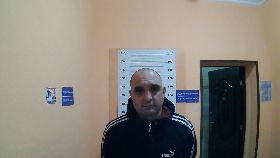
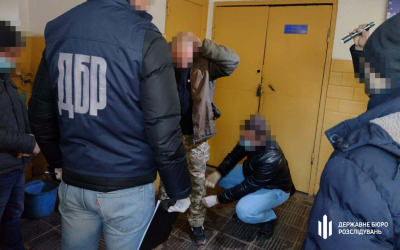
Junior Inspector of the Security and Regime Department at the Bakhmut Pre-Trial Detention Center, Yevhen Rubtsov, came on his regular shift on October 26, 2021. He did not know that this would be the day his life would be turned upside down. For the burly men in SBI vests, the day of reckoning had arrived. Investigators from the State Bureau of Investigation had spent the previous 17 months tracking a cannabis and methadone supply channel and the distribution of narcotics inside the detention facility.
The organized group included three detainees held in the pre-trial detention center. They took "orders" from inmates and passed them on to accomplices outside the facility. According to the SBI, the key role in the scheme was played by a member of the detention center staff who, after receiving the narcotics, smuggled them behind bars and concealed them in a stash.
But Yevhen Rubtsov had no inkling that a special operation was underway. The following day, the SBI would publicize the operation, announcing that the inspector had brought another batch of narcotics to the hiding place. That was when they caught him with the methadone.
For the inspector, the place where he had spent so much of his time had not changed. The only difference was that he now remained there on the other side of the bars, having been taken into custody as a criminal suspect.
But the music did not play for the SBI for long. On November 1, an individual temporarily residing in Zakarpattia posted bail of UAH 68,100 for the detention center inspector. The prison officer walked free.
Beginning of 2022 - the inspector was served with a revised and new notice of suspicion. Part 3 of Article 307 of the Criminal Code left no room for escaping with a suspended sentence. He was facing 9 to 12 years in prison, along with confiscation of property.
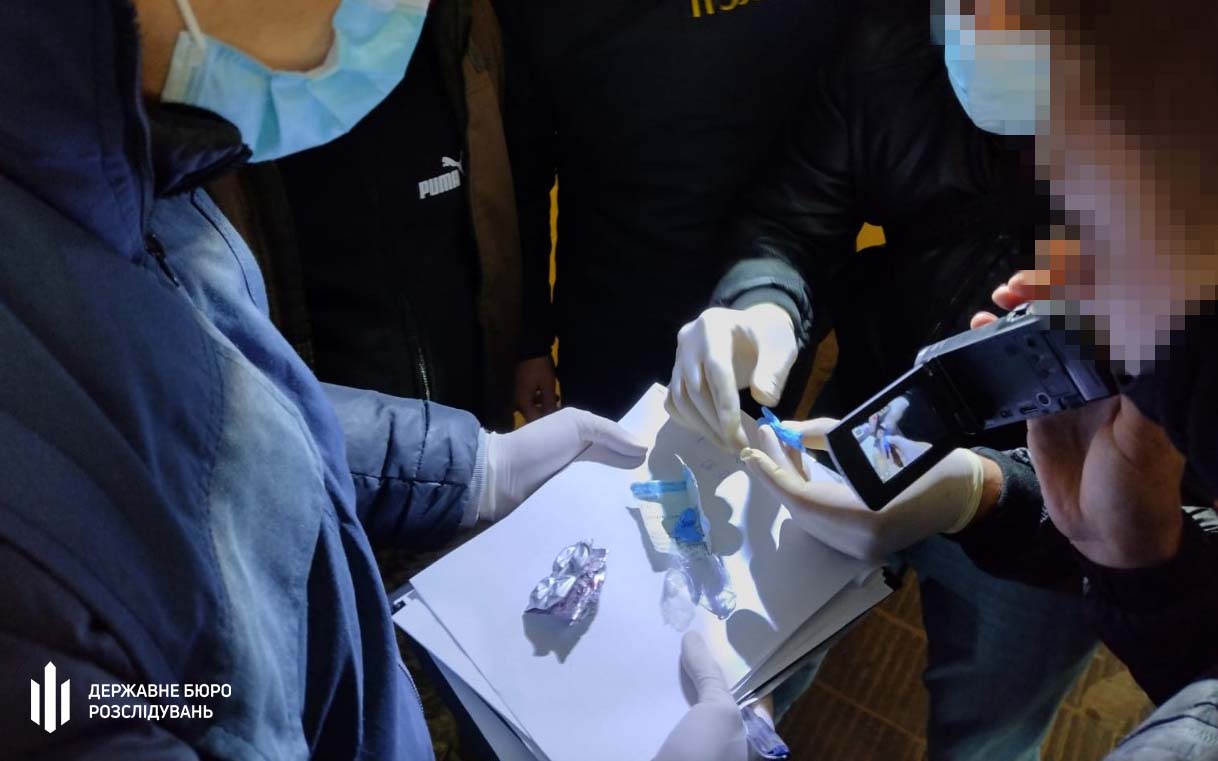
…More than four years have passed. After the SBI's triumphant public announcements about dismantling an organized drug trafficking ring, law enforcement has yet to publish a single update on the conviction of any of its alleged members.
So we started digging to find out what had actually happened to the case.
In response to our initial inquiries, both the Donetsk Regional Prosecutor's Office and the Kramatorsk Territorial Office of the SBI gave virtually identical replies: everything was supposedly in order. A notice of suspicion had been served, the pre-trial investigation had been completed, and the indictment had been forwarded to the court. The law enforcement authorities probably thought that would be the end of the matter as far as we were concerned.
So we thoroughly began examining all the information on the case in the Unified State Register of Court Decisions.
What intrigued us was not even the fact that the criminal proceedings are already being heard by the fourth district court in succession. There is a war, and territorial jurisdiction is being changed. That is understandable.
But we noticed that the indictment, the referral of which to the court both the prosecutors and the SBI had "boasted" to us about, concerns only three individuals. And then something didn't add up. After all, there had been one detention center employee under suspicion and three inmates. So, from the indictment—and, accordingly, from the criminal proceedings being heard in court—one member of the organized group had somehow vanished.
We check the "Judicial Authority" portal. We find those whose case has been sent to court—Andrii Sh., Viktor P., and Anton O. We analyze their previous criminal exploits and discover that all of them had already been convicted before our drug trafficking case. And that indicates that there is no detention center employee among them. After all, a previously convicted person could not have been hired to work at a penal institution.
That's interesting. So where did the prison officer disappear to from the criminal proceedings?
And we manage to find a court ruling from which we learn that one of the suspects in the case had left the country as early as April 21, 2022 (two months before the indictment was referred to the court).
So we keep bombarding the law enforcement agencies with requests. Backed into a corner, they finally confirm to us that it was the detention center employee who had fled Ukraine. The SBI wrote that the materials of the criminal proceedings concerning him have been separated into a distinct proceeding, which has been suspended due to the search for the inspector. And the search is still ongoing.
Well, that is what the SBI wrote—that the search is ongoing. We did not believe it. So we checked.
And we want to share with our readers that our law enforcement and judicial system is home to quite a few comedians. Because do you know where they are searching for a person who has left Ukraine and is no longer on the territory of our country? That's right. They are searching for this fugitive... in Ukraine. Not through Interpol, not through international bodies or the competent authorities of foreign states. No Red Notice has been issued for Yevhen Rubtsov.
And all because, the prosecution authorities have not even managed to apply to the international body responsible for carrying out actions related to placing individuals on the international wanted list. So, the detention center inspector is not wanted abroad. And that is despite the fact that more than four years have passed since he left the country.
Meanwhile, the prosecution keeps up the appearance of being hard at work in this matter and keeps passing the ball back and forth with the judges. It is already the third match.
To put it simply, the prosecutors applied to the court to obtain a ruling imposing a preventive measure in the form of pre-trial detention for the detention center inspector. They explain that, by their prosecutorial resolution, they declared him internationally wanted on November 11, 2025, and that they therefore need such a ruling in order to apply to Interpol.
The judge has already refused them three times. And in black and white, the judge explained that a resolution issued by Ukrainian prosecutors is not an act that automatically confers the status of a person being internationally wanted.
The judge of the Shevchenkivskyi District Court of Dnipro pointed out that the prosecutors have not provided a single piece of evidence showing that they have applied to the international bodies authorized to place a person on the international wanted list.
In other words, the prosecution is trying to obtain a court ruling ordering the inspector's detention, claiming that it is one of the documents they need and they cannot apply to Interpol without it. After all, they insist, they have already declared the man internationally wanted by their own resolution.
But the judge tells them that they can put that little piece of paper declaring him internationally wanted in a frame and hang it on the wall.
Because there is a clear procedure for initiating the process of placing a person on the international wanted list.
Under the Rules of INTERPOL, the authority empowered to declare a person internationally wanted is the INTERPOL General Secretariat, upon receipt of the relevant documents.
A notice declaring a person wanted is published in the form of a so-called notice. A person acquires the status of being "internationally wanted" only after a Red Notice has been issued in respect of them.
In other words, the court's position is that Ukrainian prosecutors must apply to INTERPOL first. Only then they should go to a Ukrainian court to obtain a detention order.
The judge dismisses the prosecutors' motion. They appeal and lose.
Afterwords they go back to the court of first instance. Same story all over again.
Now, for the third time around, the court has dismissed their motion.
Finita la commedia. The Prosecutor's Office does not apply to INTERPOL, but if anything goes wrong—hey, don't look at us, it's all the court's fault. They're the ones to blame. No one is looking for for the detention center inspector abroad. Curtain.
III.
Crime within the ranks of the State Criminal-Executive Service of Ukraine has been on the rise for the fourth consecutive year

550 people who committed criminal offences. That is how many employees of the State Criminal-Executive Service of Ukraine (SCES) have been identified in Ukraine as having committed crimes since 2021. We received data from the Office of the Prosecutor General showing an increase in crime within the penitentiary system.
And this is despite the fact that the number of convicted persons and detainees has decreased significantly. While in 2022 there were 48,251 such persons, by the beginning of 2026 that figure had fallen to 34,925.
The number of prisons is decreasing. The number of prisoners is decreasing. Meanwhile, crime within the ranks of the SCES is increasing year after year.
In 2022, law enforcement agencies identified 79 SCES employees who had committed criminal offences. In 2023, the number rose to 87. In 2024, it reached 123. In 2025, it increased even further to 135. And in the first quarter of 2026 alone, the figure already stands at 43.
IV.
Despite the ECtHR's finding of ill-treatment, those responsible at Zamkova Correctional Colony No. 58 have not been held accountable
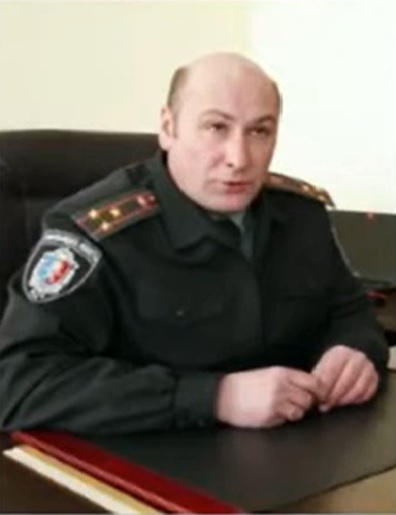
The then Head of Zamkova Correctional Colony No. 58, Oleksandr Novosiadlov, was never held accountable and is serving as Deputy Head of the Khmelnytskyi Pre-Trial Detention Centre now.
On 8 March 2023, the judgment of the European Court of Human Rights in "Yakovlyev v. Ukraine" became final. The Court found that Andrii Yakovlyev had been subjected to inhuman treatment at Zamkova Correctional Colony No. 58.
The ECtHR established that the force-feeding of a prisoner who had gone on a hunger strike in protest against the treatment in the correctional colony subjected him to excessive physical force and pain. The European Court found that there had been no convincing demonstration of the medical necessity for force-feeding Yakovlyev, and that the State's response to the prisoners' protests had been limited to force-feeding them.
The ECtHR also based its judgment on the fact that no investigation had been conducted into the underlying causes of the prisoners' protests and that no reasoned response had been provided to their complaints.
And how did the State respond after the European Court had established that Andrii Yakovlyev had been subjected to ill-treatment?
One of the prisoners at Zamkova Correctional Colony No. 58, Ruslan Ihlin, who is serving a life sentence, submitted a request to the Ministry of Justice of Ukraine regarding this matter.
In its reply, the Ministry of Justice clearly explained the procedure for the subsequent steps provided for by law:
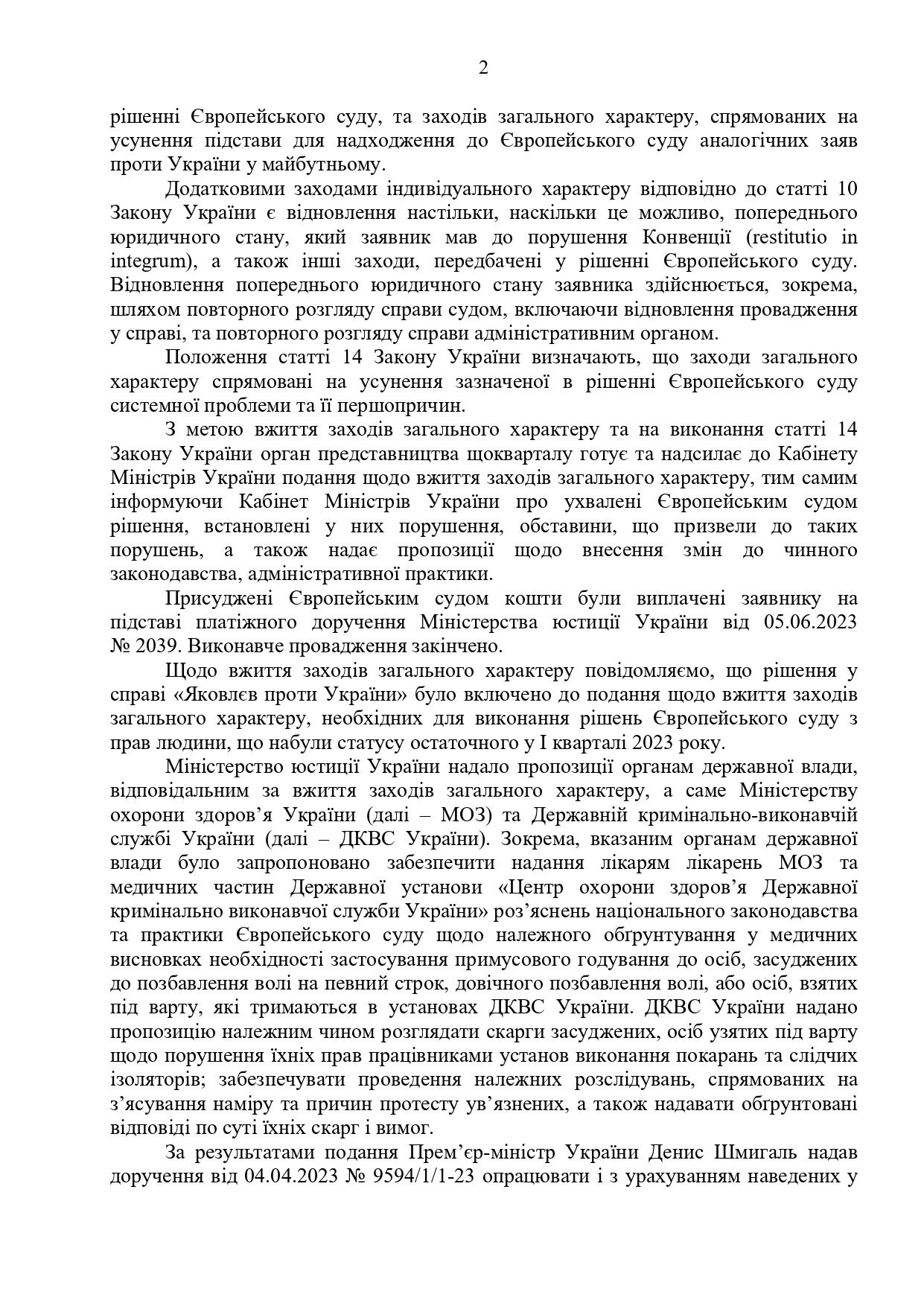
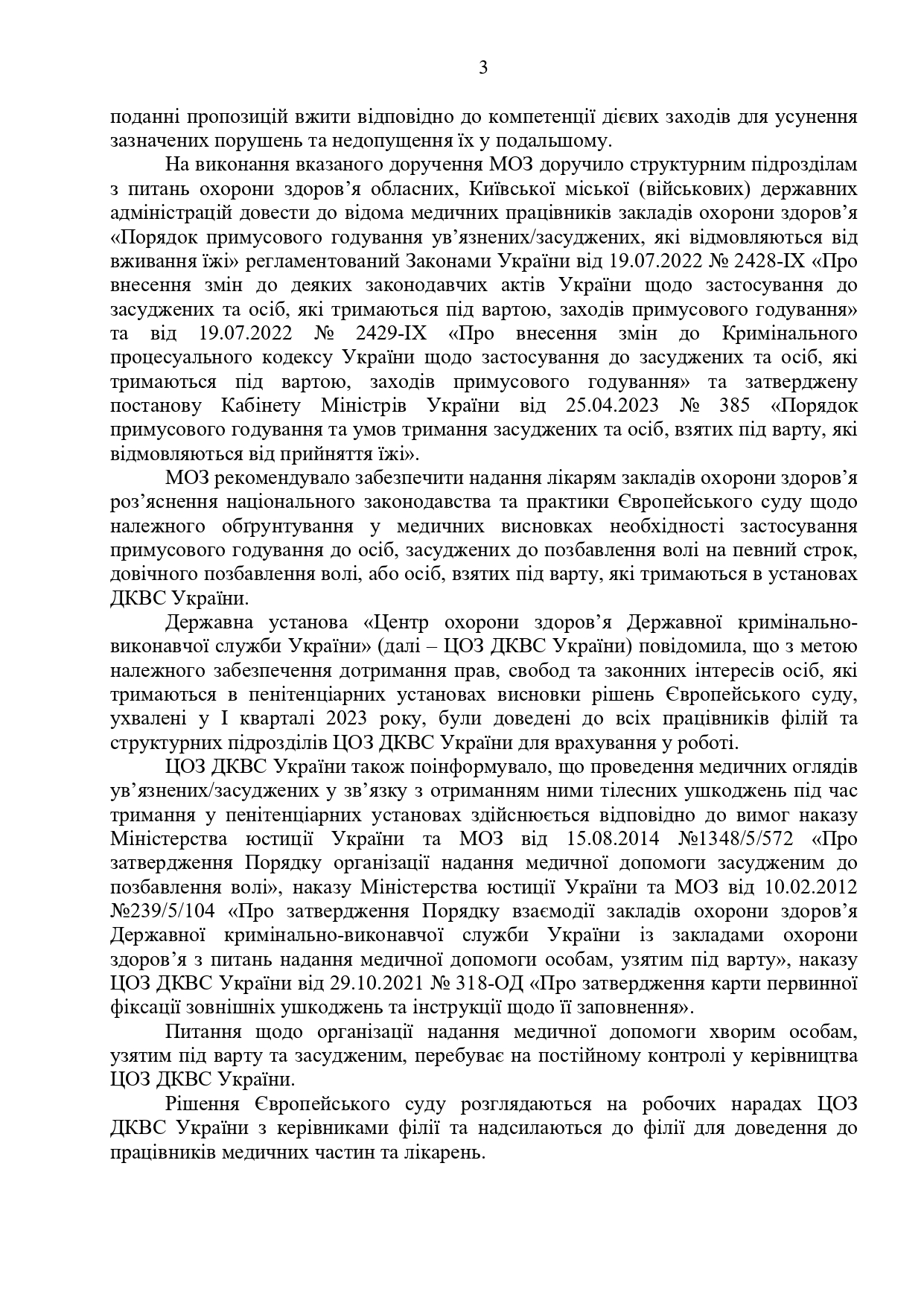
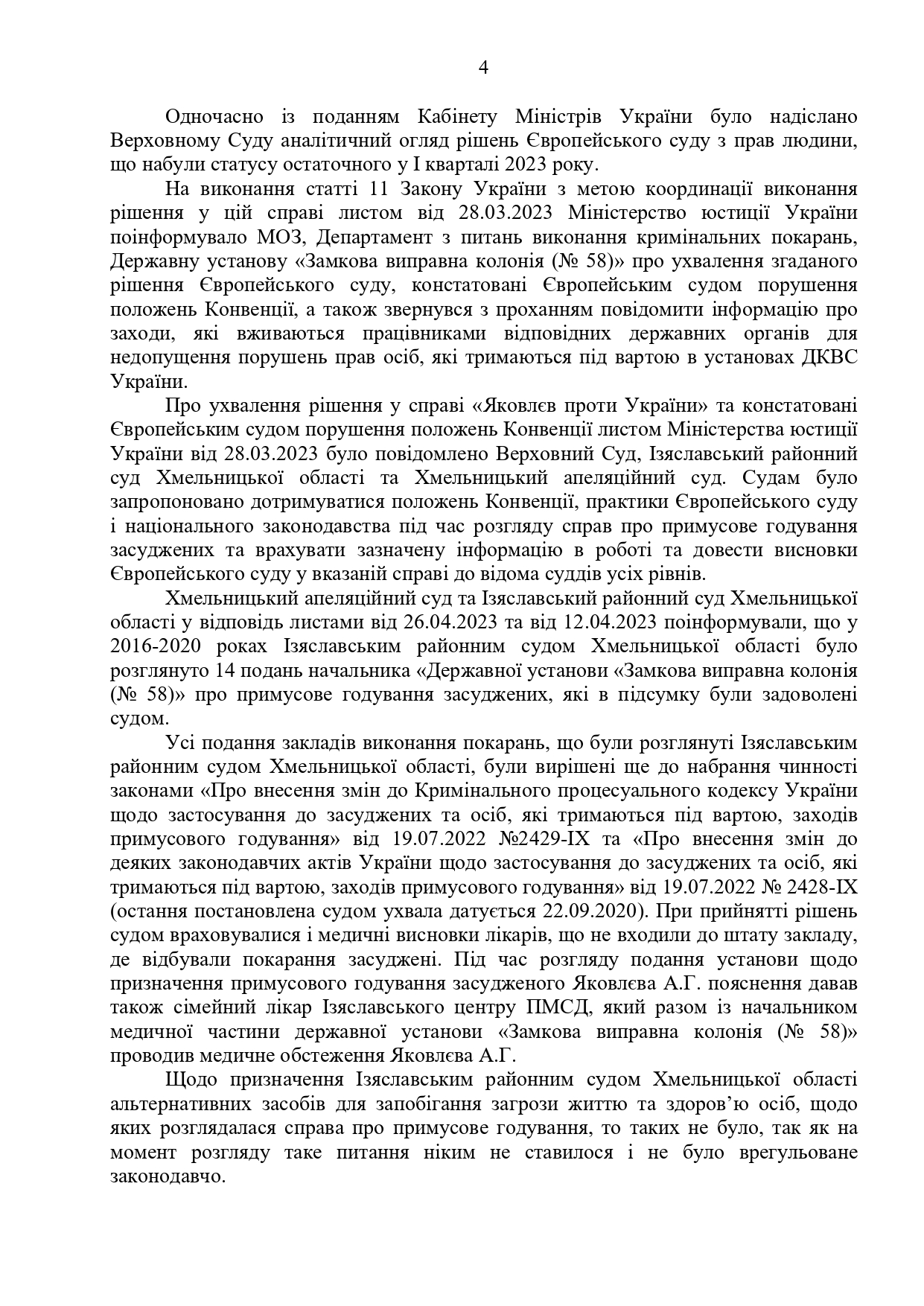
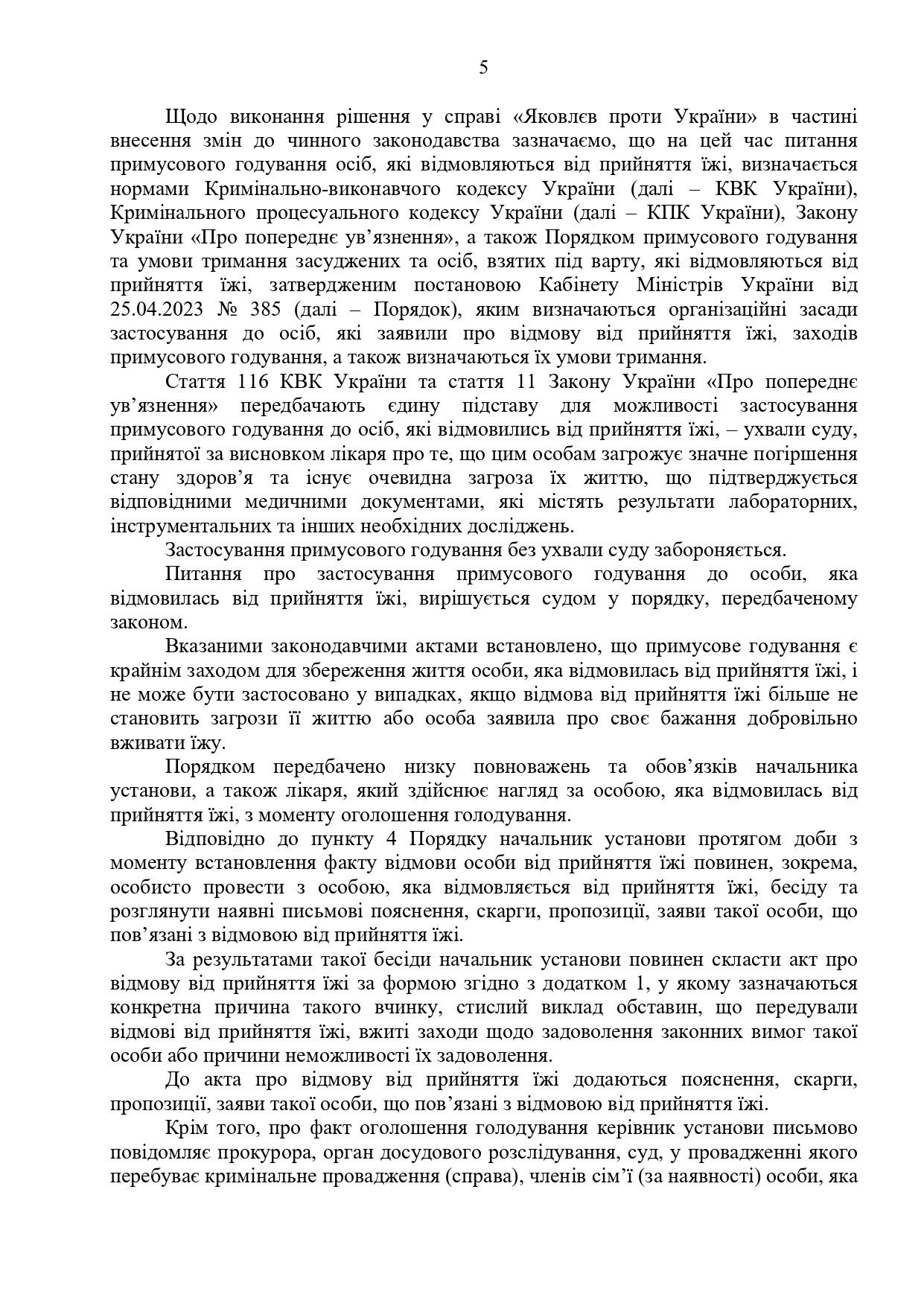
"The provisions of the Law of Ukraine impose an obligation on the Ministry of Justice of Ukraine to bring a claim for compensation for the losses incurred by the State Budget of Ukraine as a result of the payment of compensation to the applicant.
The Ministry of Justice of Ukraine reviews the case materials to determine whether additional information needs to be collected, identifies the persons whose actions led to the European Court's judgment against Ukraine, and prepares and files claims on behalf of the State, represented by the Ministry of Justice of Ukraine.
If the persons whose actions led to the European Court's judgment against Ukraine are officials of state authorities, the Ministry of Justice of Ukraine prepares and submits a application to the competent investigative authorities for entering information into the Unified Register of Pre-Trial Investigations, conducting a pre-trial investigation and bringing such persons to justice," the Ministry of Justice stated.
In other words, after identifying the persons whose actions led to the European Court's judgment against Ukraine, the Ministry of Justice of Ukraine should have initiated proceedings to recover from them the losses incurred by the State Budget of Ukraine.
The ECtHR awarded Andrii Yakovlyev EUR 12,000 in respect of non-pecuniary damage.
Obviously, the State should have made efforts to recover those funds from the individuals whose actions resulted in the inhuman treatment of the convicted prisoner.
In addition, the Ministry of Justice should have submitted a application to the law enforcement authorities seeking to have those responsible held accountable.
None of these legal mechanisms provided for by law was applied by the Ministry of Justice of Ukraine.
As a result, the then Head of Zamkova Correctional Colony No. 58, Oleksandr Novosiadlov, was never held accountable and is serving as Deputy Head of the Khmelnytskyi Pre-Trial Detention Centre now.
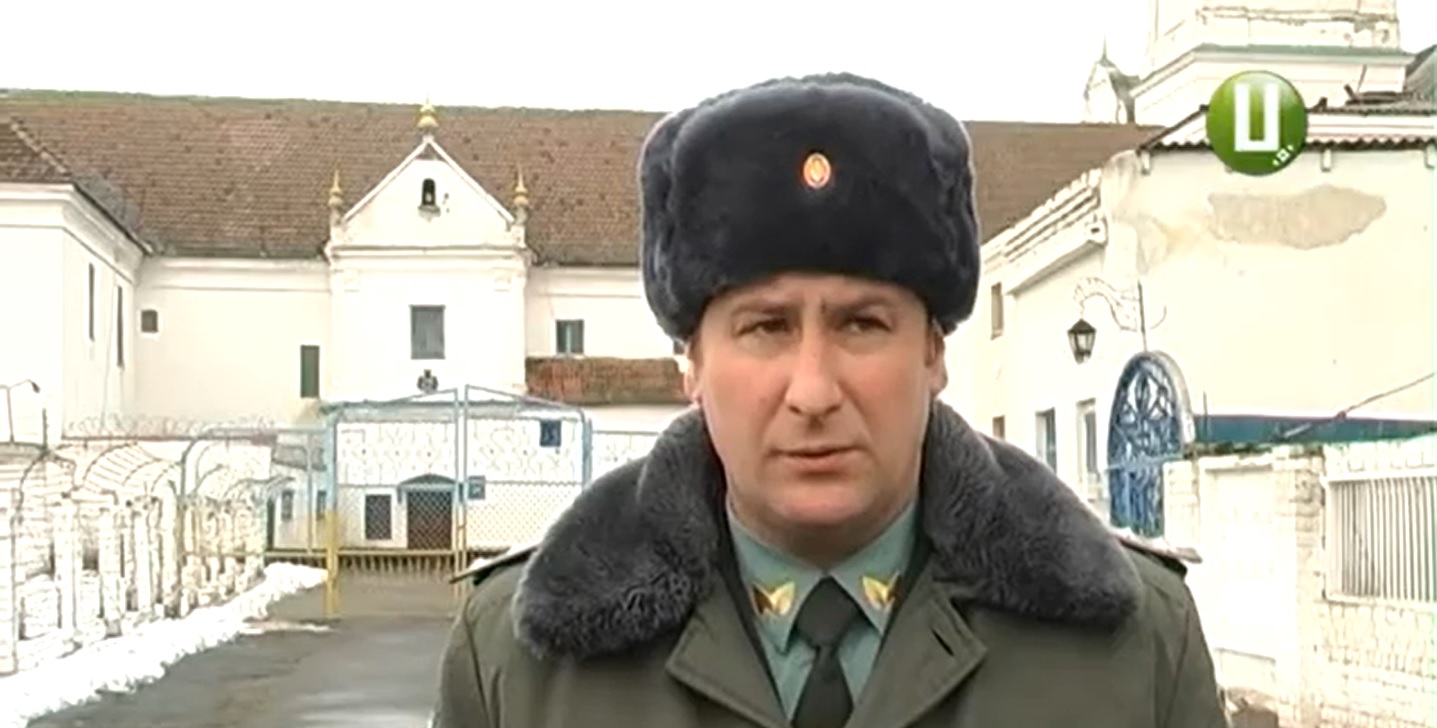
Zamkova Correctional Colony No. 58 is located in a former monastery built in the seventeenth century.
The ECtHR established that in December 2014, December 2016, and May 2017, its prisoners repeatedly went on hunger strikes in protest against what they alleged were inadequate conditions of detention.
In December 2016, four prisoners were subjected to force-feeding.
The case examined by the European Court concerned the events of January and February 2018. At that time, at least ten convicted prisoners went on a hunger strike. One of them was Andrii Yakovlyev.
He began his hunger strike on 22 January. Just two days later, he submitted a written statement to the Head of the colony: "I refuse to consume any food in protest against the unlawful actions of the colony administration in connection with the systematic and deliberate violation of my constitutional rights," Andrii Yakovlyev stated.
The very next day, the convicted prisoner was placed in a disciplinary isolation cell on the grounds that he had "categorically refused ... to clean the exercise yards." Yakovlyev, however, maintained that the real reason was to suppress any form of protest in the correctional colony.
It is also worth noting that, in this case, the prisoners generally resorted to hunger strikes towards the end of their prison terms (on average between six months and two and a half years before the completion of their sentences). At the same time, the convicted prisoners in respect of whom applications for force-feeding orders were considered had been sentenced to terms of imprisonment ranging from eight to fourteen years.
The prisoners went on hunger strike in order to draw public attention to the conditions of detention in this correctional colony.
On 29 January, the Head of the colony's medical unit stated in his medical opinion that Yakovlyev faced a risk of permanent damage to his health and that there was an imminent threat to his life: "I consider it necessary, in order to preserve his life and health, to prescribe force-feeding."
On 30 January 2018, the Head of the correctional colony, Oleksandr Novosiadlov, applied to the Iziaslav District Court for an order authorising the applicant's force-feeding. The application was granted on 31 January.
Novosiadlov also filed similar applications with respect to the other nine convicted prisoners.
On 31 January 2018, the Iziaslav District Court, on similar grounds, also ordered the force-feeding of three other prisoners of Zamkova Correctional Colony who had been on hunger strike since 22 January 2018. In early February 2018, it issued similar orders in respect of six more hunger-striking prisoners from the same correctional colony.
So, what did the judges of the ECtHR find?
First of all, the Head of the colony's medical unit informed the court that Yakovlyev did not require hospitalisation.
Another no less important point was that the convicted person appeared before the court of his own accord.
Thirdly, Yakovlev objected to the imposition of force-feeding. He stated that although he felt unwell, there was no objective evidence indicating any deterioration in his health.
Taken together, the above-mentioned circumstances, in the ECtHR's view, demonstrated that the existence of a medical necessity for force-feeding had not been convincingly established.
The Court noted that, as acknowledged by the national authorities, inmates of Zamkova Correctional Colony had for years lodged well-founded complaints about violations of their rights by the colony administration, but to no avail. In those circumstances, the hunger strike initiated by Yakovlev together with other inmates on 22 January 2018 could indeed be regarded as a form of protest prompted by the absence of any other means of drawing attention to their demands.
The Court concluded that the State had failed to deal adequately with the situation arising from Yakovlev's hunger strike and had subjected him to ill-treatment in breach of Article 3 of the Convention (Prohibition of Torture).
Andrii Yakovlev described the force-feeding procedure as follows: his hands were handcuffed behind his back, and he was restrained by several correctional colony officers. One of the officers, using physical force, inserted a special rubber tube deep into his throat, causing Yakovlev severe pain and making him choke. The entire procedure lasted from thirty to ninety minutes.
...Neither the head of the colony's medical unit nor the then governor of Zamkova Correctional Colony No. 58, Oleksandr Novosiadlov, was held liable for these actions.
The Ministry of Justice did not submit the relevant applications to the law enforcement authorities and did not initiate proceedings to recover from those responsible the EUR 12,000 in damages paid from the State Budget of Ukraine.
V.
One, two, three—to the Kidneys: where beatings behind bars are most common
Join the effort to reform the penitentiary system—become a Senior Inspector for the Protection of Prisoners' Rights and the Prevention of Torture!
— urges the State Criminal-Executive Service of Ukraine on its official information platforms.
They took up the posts, joined the effort, made a difference. Eighty-five staff positions have been allocated for this year. They work tirelessly. They receive complaints from prisoners. They attend training sessions. They report on their activities with photos on social media.
At the same time, the number of documented bodily injuries sustained while in the custody of the State Criminal-Executive Service continues its steep rise with unwavering consistency.
Meanwhile, as the number of beatings behind bars continues to grow, the State reports on the implementation of European standards and democratic approaches in efforts to combat ill-treatment in places of detention.
The data we obtained from the State Criminal-Executive Service's Centre for Health Care reveal a deep gulf between the policies pursued by prison officials and the actual results of those efforts.
The positions of Senior Inspectors for the Prevention of Torture were introduced in correctional colonies and pre-trial detention centres in 2024.
As of 1 January 2025, 37,119 persons were being held in institutions of the State Criminal-Executive Service. This information was provided by the Department for the Execution of Criminal Sentences in response to our request.
We compared these figures with the data we obtained from prison doctors at the State Criminal-Executive Service's Centre for Health Care.
In 2024, a total of 2,043 cases of bodily injuries were documented. This amounted to 5.5% of the total number of persons held behind bars.
That was 440 more cases than in 2023, when the ratio was 3.6% out of 44,024 detainees and convicted persons. The year preceding the launch of the Senior Inspectors' activities.
In 2025, the number of beatings rose once again. As of 1 January 2026, 34,925 persons were being held behind bars. The number of documented bodily injuries reached 2,431 incidents. That already amounted to 6.7%.
Thus, the State's high-profile efforts to combat physical violence, beatings and torture in places of detention have, as of today, ended in failure.
The level of violence continues to rise, which unequivocally demonstrates the ineffectiveness of the work of the Senior Inspectors responsible for protecting prisoners' rights.
The statistics for the first quarter of 2026 continue to paint an even bleaker picture. A total of 833 incidents of violence were documented, which translates into an annual equivalent of 3,332 incidents. That would amount, no less, to 9.5% of the total number of convicted persons and remand prisoners.
In 2023, the figure stood at 3.6%. In 2026, it may well reach as high as 9.5%.
Where Prisoners Are Beaten the Most
A total of 10,016 cases of bodily injuries inflicted while in custody were documented across 80 institutions of the State Criminal-Executive Service between 2021 and 2026.
The Zaporizhzhia Pre-Trial Detention Centre ranks first in the number of prisoners beaten, with 1,663 documented cases. Moreover, violence has been increasing year after year there. While 146 cases of bodily injuries were documented at the detention centre in 2022, the figure rose to 326 in 2023, 371 in 2024, and 437 in 2025. The first quarter of 2026 also shows a further increase. In just three months, 184 cases have already been documented.
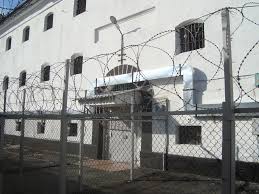
The institution ranking second in the number of documented cases of violence is the Kyiv Pre-Trial Detention Centre, with 836 cases. Likewise, since 2022, their number has been steadily increasing: 19 in 2022, 94 in 2023, and 146 in 2024. In 2025, however, the figure rose sharply to 337 incidents. In the first quarter of 2026 alone, 114 incidents were documented.
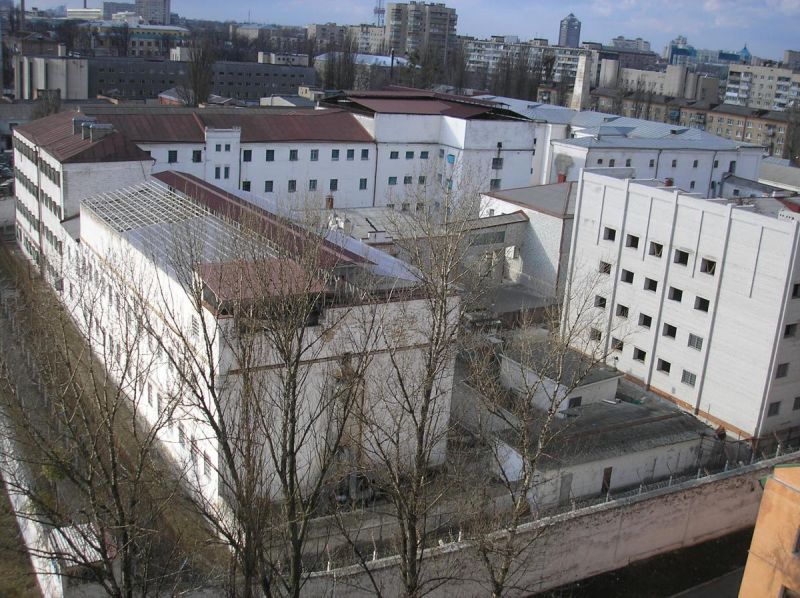
Rounding out the top three is Vinnytsia Penal Institution No. 1, with 707 documented cases.
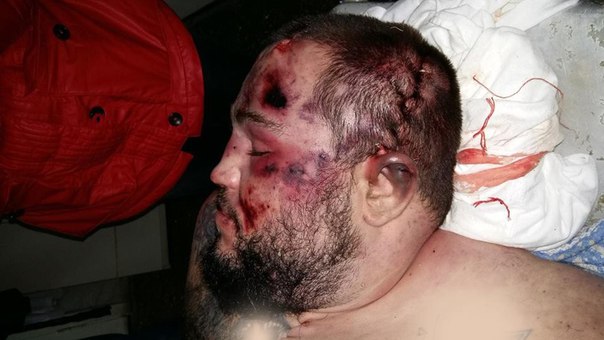
Murder of Andriy Danylyuk in Khmelnytskyi SIZO in 2015. 19 recorded blows to the head. In this case, criminal proceedings against two employees of Zamkova Correctional Colony № 58 were closed at the end of last year due to the statute of limitations.
Part 2. 21st Century Concentration Camps for the Disabled and Seriously ill
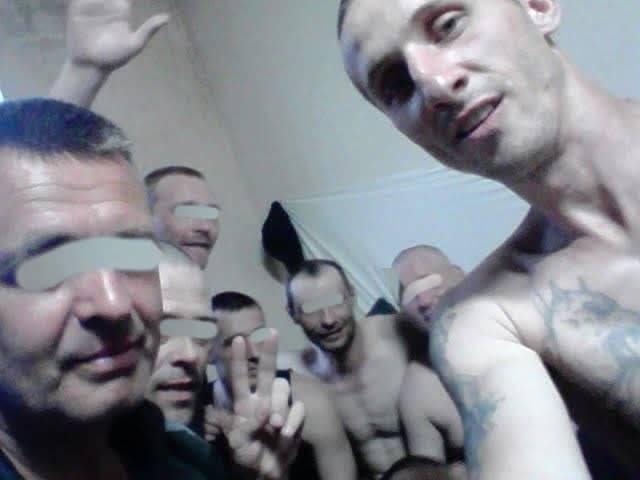
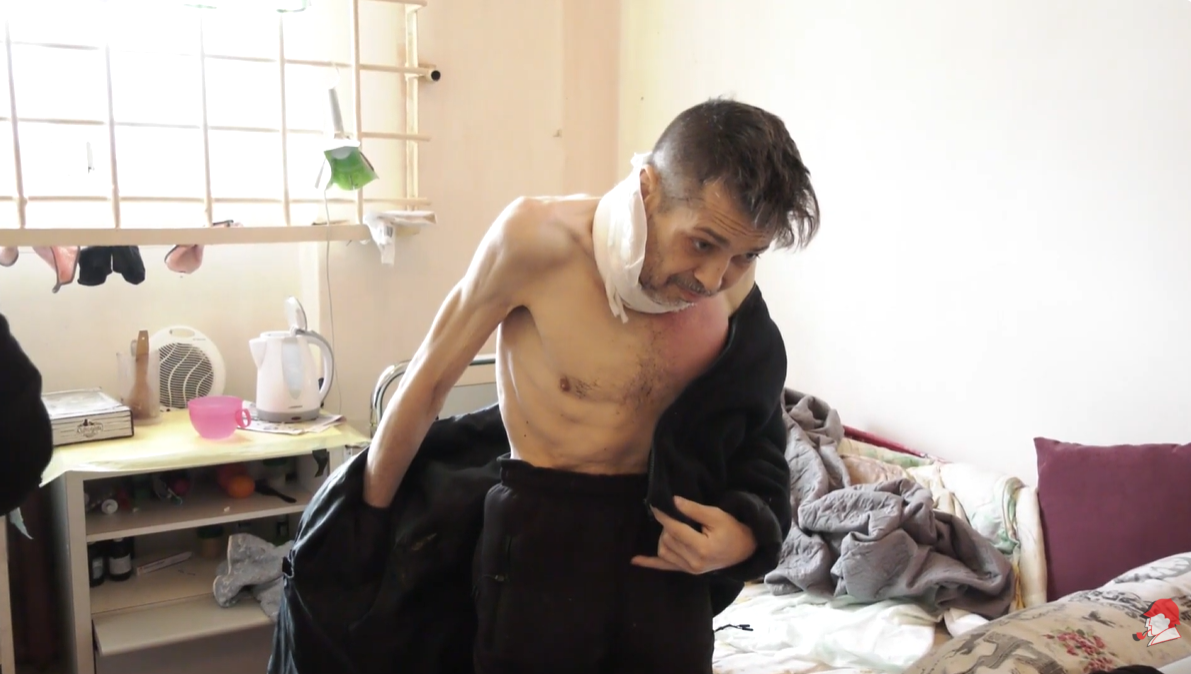
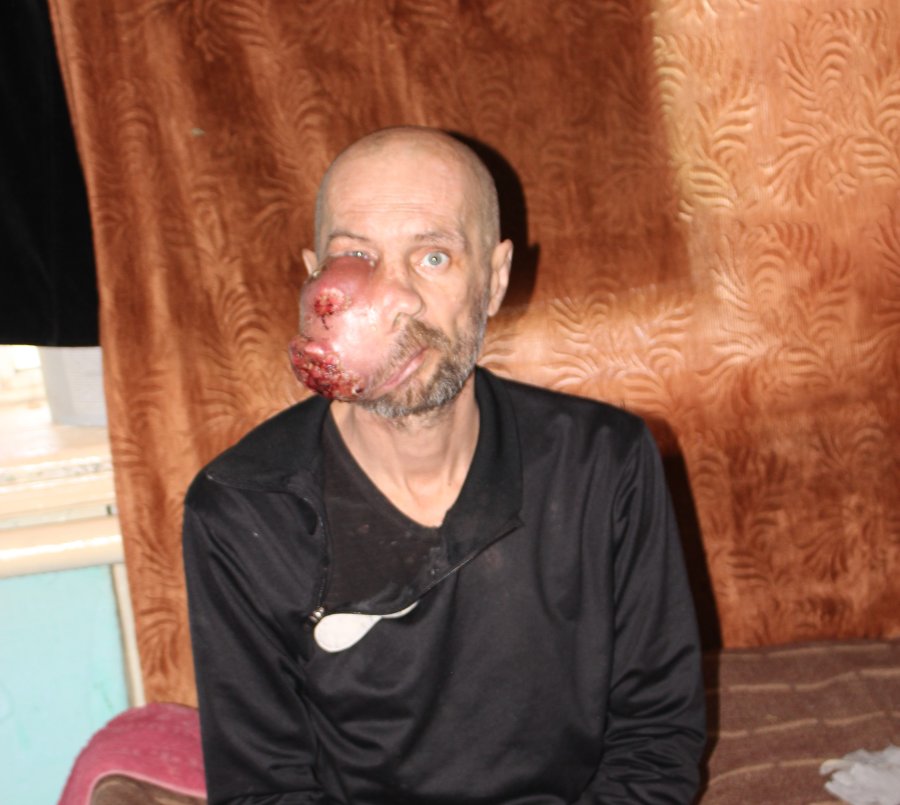
The intense pressure on seriously ill prisoners has intensified even further following our journalistic enquiries. Complaints lodged with the Public Prosecutor’s Office, the State Penitentiary Service and the Verkhovna Rada Commissioner for Human Rights have led to punitive measures being taken against those who contacted us.
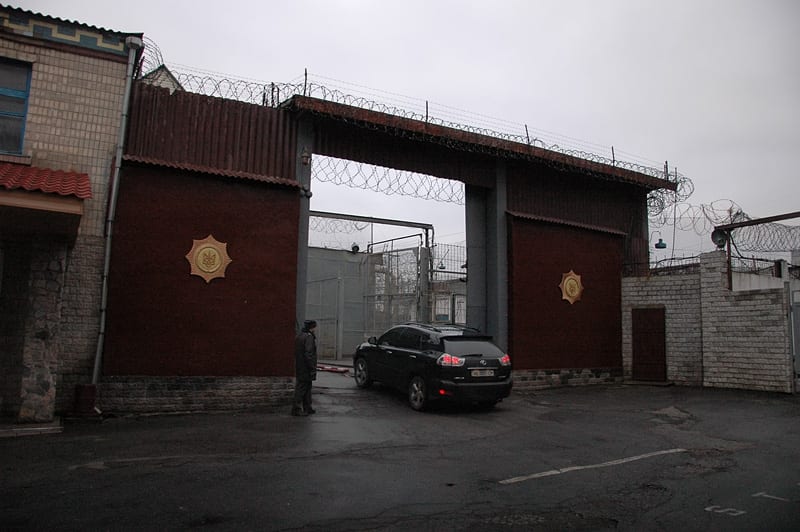
The following day, after we had sent out a statement listing the facts of alleged ill-treatment and repression at Dnipropetrovsk Specialised Tuberculosis Hospital No. 89, attached to the local Dnipro Correctional Colony, the patient Serhiy Kyrychenko, who had initiated the statement to the press, was thrown into a disciplinary isolation cell.
Another prisoner, the soldier Mykhailo Koretskyi, was transferred to a different ward.
VI.
- ‘We’ll grind you to dust.’ - Prisoners are being 'broken' by operational officers in a tuberculosis colony on the Dnieper.
Oleksandr Dyachenko, who dared to speak out openly about abuses in the prison, was forced to write a statement claiming that his attempted suicide was not caused by persecution by prison officers.
It is said that the head of the operations unit of the colony began deliberately creating confrontations between sick prisoners – who had dared to speak openly to journalists about the pressure they were under – and other prisoners.
Operational officers of Dnipro Correctional Colony No. 89
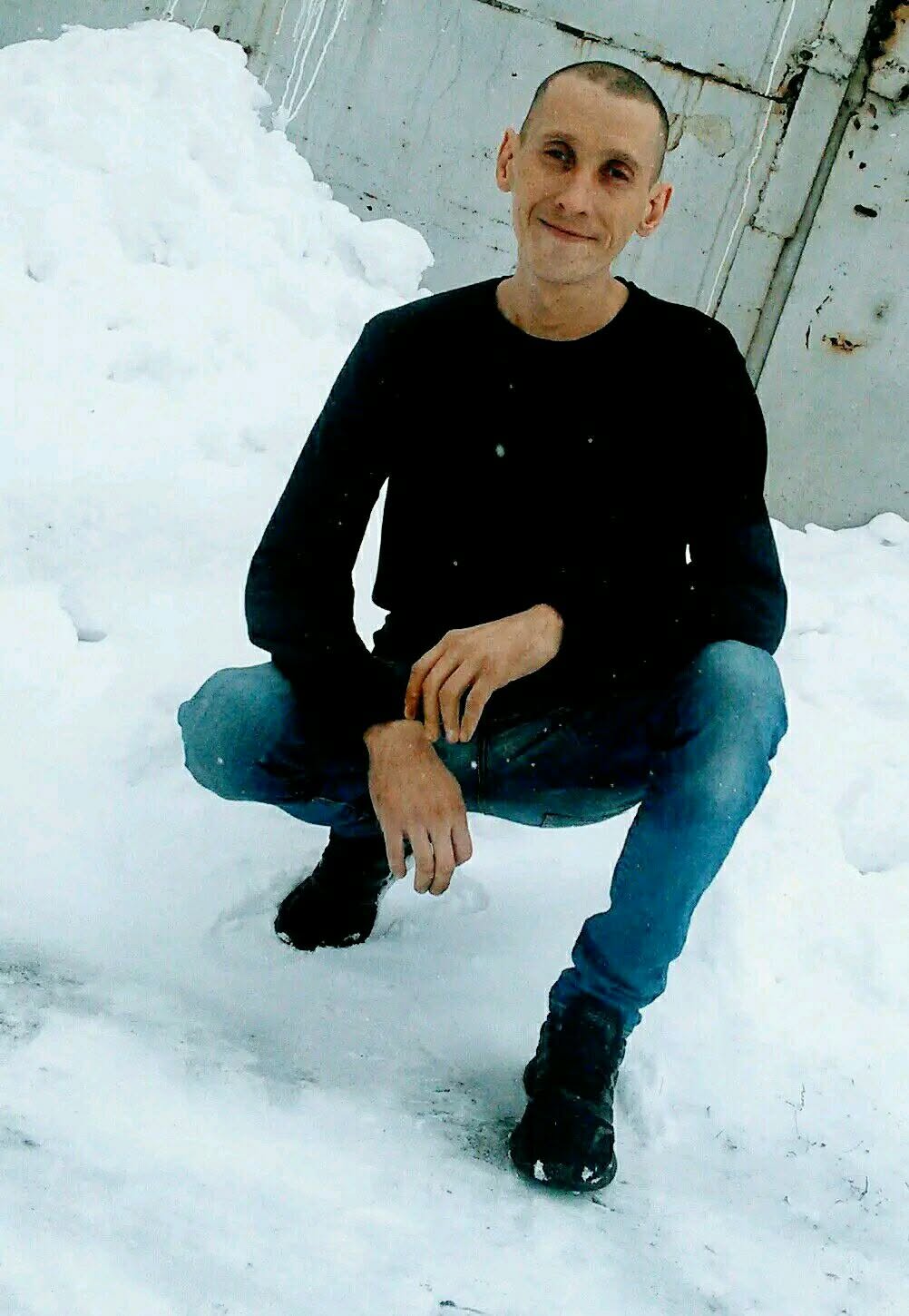
Serhiy Kyrychenko was serving a sentence at Kharkiv Prison No. 43. He has been convicted on more than one occasion. He admits to committing the crimes. He says he has repented. Before his most recent conviction, following yet another spell in prison, Serhiy was actively volunteering at a shelter for rescued animals in Tsyrkuny, in the Kharkiv region. He rescued dogs and cats from frontline regions.

Suspected of having an illness, he was transferred to the tuberculosis hospital attached to Correctional Colony No. 89 in Dnipro.
The tuberculosis was confirmed. Kirichenko was stuck undergoing treatment for over a year.
About half a year ago, a new head of the operations unit of the colony , Yegor Pasko, arrived at their Zone 89. This operations officer had previously served in the Sumy region, at the 56th Colony in Romny, and in the Kyiv region at Boryspil Penal Colony No. 119.
Yegor Pasko was in charge of the operations unit and Mykola Bilenko was enlisted to assist him.
Since then, according to the inmates, pressure has been exerted on some of the prisoners at the Dnipro Colony. They say they were forced to cooperate – to inform on other prisoners. Pasko and Bilenko reacted harshly and with relish to any refusals.
The persecution of dissidents and the breaking of those who refused to comply began.
"We'll give you some sadness"
- On Easter Sunday, Yegor Pasko, the head of the operations unit, called me to ‘headquarters’. He put pressure on me to cooperate – to inform on the other prisoners. I was in close contact with Kirill, who was pulling off all sorts of scams. He’d recently been released.
So the head of the operations unit was insisting that I stayed in touch with him and found out informarion.
“Let me know when he’s planning to pull something off. We’ll set a trap for him and ‘hand him over to the police’,” says Kyrychenko, describing his conversation with Pasko.
Kirichenko dodged the question, saying he’d think about it. When three weeks had passed and no information had come in from Kirichenko, the head of the operations unit stepped up his efforts.
“They initiated searches. They turned up almost every day – operatives, inspectors. It got ridiculous. After one search, my underpants went missing. After another, a few pairs of new socks. Another time, they took my frying pan,” Kirichenko recounts.
- During one of the searches, they took my tablet. An hour later, Pasko called me into his office. He said that my video camera had been unlocked. I looked and saw a lot of wires coming out of my tablet, with various devices connected to it. He had unlocked the camera himself.
He said, ‘I’m confiscating your tablet.’ I replied that I would lodge a complaint. Pasko lunged at me and started hitting me on the head and stomach,” says Kyrychenko.
According to many tuberculosis patients, all parcels send to them from the outside “go through” the operations department. And it is up to the operations staff whether a prisoner receives their parcel.
Kirichenko informed that he had come under pressure in this regard from officer Mykola Bilenko. The prisoner explained that Pasko’s subordinates had forbidden giving Serhiy the 10 kg of tea sent by his friends.
“He ordered that I be given no more than one kilogram at a time. As a result, about three kilograms went missing. And Bilenko tells me that’s all, the tea has run out. That’s how they started to sabotage my entire treatment.” –
“Because of the pressure, I swallowed part of a spoon handle”
Oleksandr Dyachenko, another patient from the tuberculosis hospital at Colony No. 89, told us that, in order to put an end to the pressure being exerted on him by the operatives, he resorted to an unprecedented act – he swallowed part of a spoon’s handle.
- A few days after I was transferred here for treatment from Sinelnikivska Prison No. 94, I was called to ‘headquarters’. Pasko and Bilenko were in the office. They started trying to recruit me to ‘snitch’ on the prisoners. They expected I would tell them who was up to what and who was in contact with whom on the outside.
They offered benefits, saying they wouldn’t touch me and I’d be able to use a mobile phone. They said, ‘You’re going to be here for a long time anyway. You’ll have access to Wi-Fi and better conditions.’ That sort of thing.
I refused straight away. Their behavior changed immediately. They started threatening me – saying they would have sent me to another prison with a cover letter and I would have been wiped off the face of the earth there.
Ten days later, they burst into my cell. They started tearing my things apart; Pasko shouted that I should have agreed to cooperate. They took my mobile phone.
Those who refuse to cooperate with them are threatened and subjected to physical violence.
Yegor Pasko continued to threaten me. Under pressure from him, I swallowed part of a spoon, – said Oleksandr Dyachenko.
“One of the patients is prepared to sew his mouth shut”
Another prisoner told us that around 40 patients undergoing treatment at Dnipropetrovsk Specialised Tuberculosis Hospital No. 89, attached to the penal colony, have also been subjected to the methods employed by the Pasko–Bilenko duo.
- Pasko put pressure on me to inform on whoever was ‘smuggling drugs into the prison’. They threaten anyone who refuses; they might even hit them. If representatives of the Ombudsman come to visit us at the hospital, all these prisoners will speak out. They’re afraid to make open statements to journalists right now, because of the obvious reprisals from the staff. But they’ll tell the Ombudsman’s representatives everything face to face.
These operations have driven one of the patients to such extremes that he’s going to sew his mouth shut. Literally. To take a thread and sew his lips shut,” insists the prisoner.
The sick soldier Mykhailo Koretskyi also has a complaint against the officer Bilenko. He says that the officer refused to give him two sacks of potatoes sent by his family.
‘Bilenko ordered that only 1 kilogram be given out at a time. As a result, I was given just one sack in total. 30 kilograms went missing. I asked him where the rest was. And Bilenko just smiled and said, ‘It’s all gone,’” the prisoner told us.
To a disciplinary isolation cell for intimate photos of his wife
Following our appeals and journalistic enquiries, the very next day, Serhiy Kyrychenko was summoned to appear before the prison committee. The head of the operations unit accused him of possessing and distributing pornographic photographs.
- The situation is that my common-law wife is currently in the Crimea. Consequently, for security reasons, she uses my Facebook profile. She makes calls from it and messages people via Messenger. To keep in touch with her, I have another account.
Yes, she sometimes sends me intimate photos of herself. These are erotic photos. They don't have pornographic images.
So Pasko gained access to my Facebook account and downloaded these photos of my wife from Messenger.
At the prison commission, he showed screenshots, claiming that I was distributing pornography.
That’s my wife. Yes, she’s a civilian, but I have photos with her and with my child. I’m also listed as the father on the birth certificate. Can’t my beloved send me erotic photos? – says Kyrychenko.
Allegedly, because of these photos and the tablet’s video camera being unlocked, Kyrychenko was placed in single cell.
Koretskyi was transferred to another wing.
We were also able to obtain information from a third complainant. Oleksandr Dyachenko told us that following these events, Yegor Pasko summoned him to his office.
“We’ll grind you to dust”
- Write a statement saying you swallowed a piece of a spoon handle because another prisoner was putting pressure on you.
You need an operation, and it’s up to me whether you will got it or not, - says Oleksandr Dyachenko, quoting the head of the operations unit.
Another prisoner we’re in contact with told us that doctors had informed him of repeated visits from Pasko, who had begun to take a keen interest in how Kirichenko could be discharged from hospital.
This prisoner also told us that prison officers have prevented other sick prisoners from receiving parcels. They’re telling them that all this is happening because of Kyrychenko’s appeals to journalists. And other prisoners should ‘put pressure’ on the complainant.
“Pasko walks around the prison, telling inmates he’s ‘close’ to that nothing will happen to him. And that he’ll stay here anyway. He boasts about his cousin who works at the public prosecutor’s office,” the prisoner reports.
Meanwhile, we have received a reply from the Department for the Enforcement of Criminal Sentences:
“Following an investigation, the information you provided regarding possible unlawful actions on the part of the institution’s staff has not been objectively substantiated,” wrote Dmytro Shtutman, Deputy Head of the Department, in a brief response.
However, Acting Head Oleg Stepanuk, from the South-Eastern Interregional Directorate for the Enforcement of Criminal Sentences of the Ministry of Justice, provided a more detailed response:
“… an investigation into the alleged violations was initiated and carried out, during which a visit was made to the state institution ‘Dnipro Correctional Colony (No. 89)’ and Dnipropetrovsk Specialised Tuberculosis Hospital No. 89. Based on the results of the investigation, we report the following:
During confidential interviews with the prisoners S.A. Kyrychenko, O.V. Dyachenko, M.V. Koretskyi and other detainees, no evidence was found of physical violence, beatings or threats on the side of Y.V. Pasko and M.V. Bilenko.”
At the same time, Serhiy Kyrychenko himself refutes this information from the Interregional Directorate regarding his position.
- That is not true. I did not say that and did not sign it. In my statements, I wrote and confirmed that I was subjected to constant psychological pressure from Pasko and Bilenko.
I also confirmed in writing that physical force was used against me.
All statements from the Directorate or the institution’s administration claiming that I allegedly denied the fact that unlawful actions were taken against me by operational officer Pasko are untrue. -
We have also already described above what happened following our journalistic enquiries. And that, according to Dyachenko, Pasko forced him to write the relevant statement under pressure.
The Interregional Directorate also states that no instances of misappropriation of property or unauthorised transfers have been established, and that the distribution of food is carried out in accordance with the requirements of the Internal Regulations of penal institutions.
…The Ukrainian Parliament’s Commissioner for Human Rights declined to carry out an unscheduled monitoring visit.
The Western District Prosecutor’s Office in Dnipro refused to investigate the abuses we have described.
We have not received any responses from Yegor Pasko and Mykola Bilenko.
VII.
Doomed to die. How the seriously ill are left untreated in Ukrainian prisons.
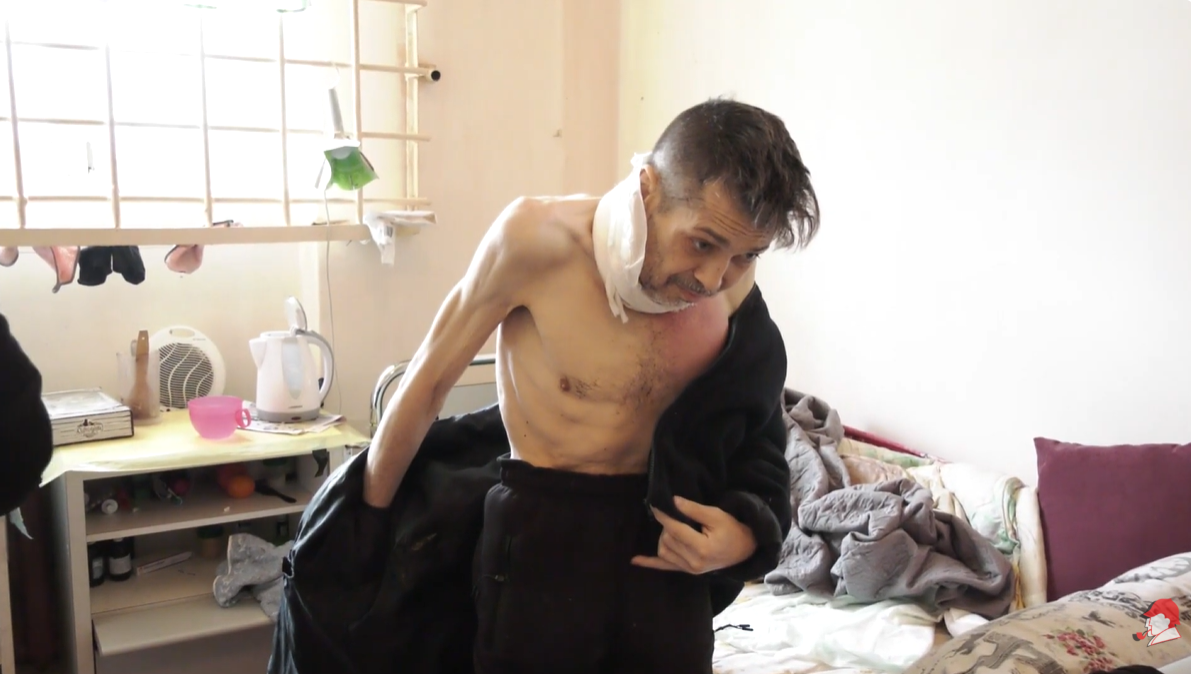
If a prisoner is diagnosed with cancer whilst in a prison or remand centre, there is virtually no chance of them surviving. In Ukraine’s prison healthcare system, in the 21st century, treatments such as chemotherapy, targeted therapy, immunotherapy, radiotherapy and surgical cancer interventions are not carried out. At all. In no institution. These shocking facts were reported to us in response to an enquiry by the State Institution “Health Centre of the State Penitentiary Service of Ukraine”.
Prison medical staff report that 146 people died from cancer in State Penitentiary Service institutions between 2021 and 2026. This situation is because the main methods of treatment for cancer patients according to the Medical Protocols are not provided to prisoners.
Consequently, a cancer patient has almost no chance of survival.
The only hope for this category of prisoners is release from serving their sentence on grounds of serious illness. This procedure is designed to ensure a convicted person’s right to proper treatment and the opportunity to save their own life. However, this procedure is not effective when it comes to saving the lives of cancer patients. This is because the prisoner’s diagnosis must fall within the List of Diseases that constitute grounds for release from further imprisonment. And under current legislation, only cancer patients with stage four cancer – who have a negligible chance of survival – are eligible for release for treatment.
Cancer patients with stage one, two or three cancer could have been treated with modern methods such as chemotherapy, targeted therapy, immunotherapy, radiotherapy, surgical cancer treatments, and they could have had a chance of being cured or of extending their lives by many years. But they aren't eligible for release under this procedure.
Ukrainian human rights activist Andriy Didenko, has been campaigning for many years for the rights of prisoners to receive proper medical treatment. He highlights the shortcomings of the current procedure.
- I must emphasise the following points: such a release is possible in certain cases. Most importantly, the person’s illness must be included in the List of Illnesses. However, these are illnesses where the person have one foot in the grave. For example, in the case of cancer, it must be stage four.
“The second aspect is no less important: that this illness prevents the prisoner from continuing to serve their sentence,” says Andriy Didenko.
One such ‘death’ story is the case of Vitaliy Matukhn, which we have covered in the past. Despite the ruling of the European Court of Human Rights, the prison healthcare system gave him no chance of survival.
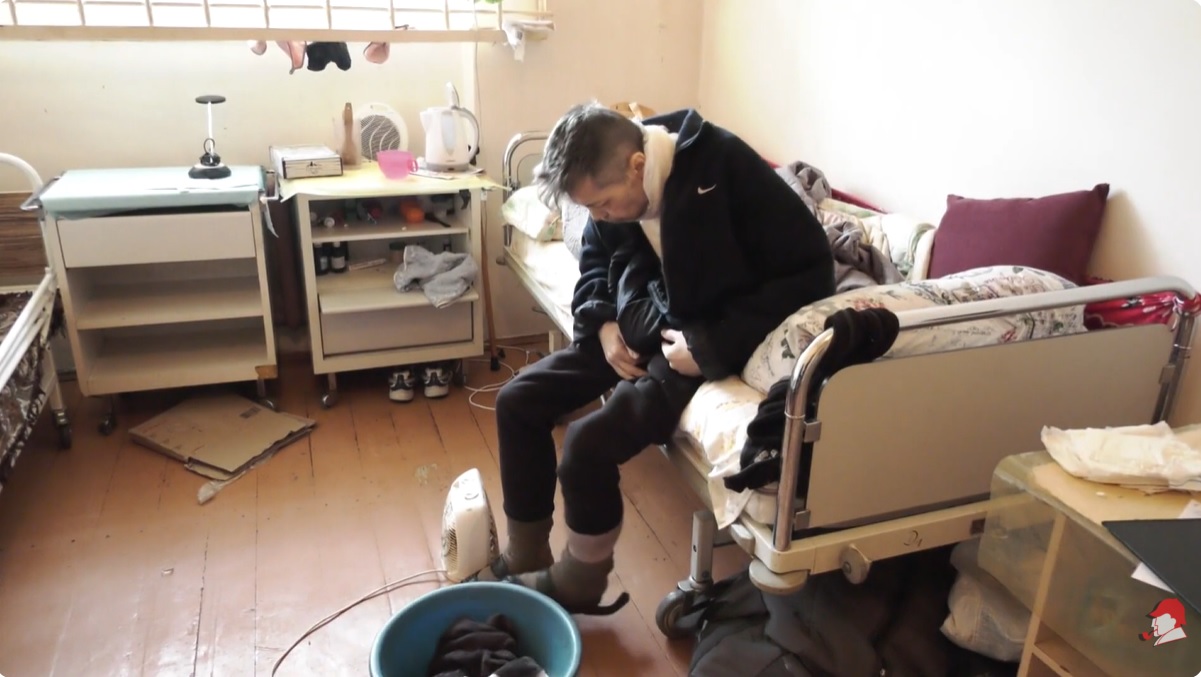
Matukhn was diagnosed with stage three cancer of the root of the tongue in the spring of 2022. His condition required immediate comprehensive treatment at a cancer centre: a combination of surgery, radiotherapy and chemotherapy. However, as we noted above, none of these methods are used in the prison healthcare system.
Vitaliy Matukhn was transferred to Lviv Multidisciplinary Hospital No. 19, attached to the Lviv Pre-trial Detention Centre.
The cancer progressed and advanced to stage four.
Throughout this time, human rights defenders have been campaigning for his release on the grounds of serious illness. Due to the danger to the patient’s life, his lawyers appealed to the European Court of Human Rights, which on 9 December 2022 applied Rule 39 of the Rules of Procedure requiring Ukraine to take interim measures. The ECHR called for him to be provided with proper examination and treatment.
But what we heard in court simply left us utterly stunned. Prosecutors insisted that Vitalii Matukhno was receiving the necessary treatment, that his health was being maintained at an adequate level, and that this did not prevent him from serving their sentence.
So what sort of treatment was Matukhn actually receiving? The testimony in court by the prison oncologist, Oleksandr Hrytsaishyn, was particularly outrageous. The doctor described the methods used to treat Matukhn: pain management, social and living conditions, as well as psychological and spiritual support.
And this is despite him having stage four cancer.
What’s more, the prison oncologist boasted to the judges that Matukhn was actually being treated quite well, as the prognosis had been that he would survive for 1.5–2 months, insted he has lived twice as long and is still alive.
Human rights defenders maintain that these conditions of detention constitute gross violations of human rights, in particular Article 3 of the European Convention on Human Rights (torture), as the European Court of Human Rights explicitly noted in its judgment.
On 30 January 2023, a panel of judges at the Lviv Court of Appeal ruled that Vitalii Matukhn should remain in custody.
On the fourth day after the court hearing, the patient died.
Describing these events, human rights activist Andriy Didenko noted that the tragedy that befell Volodymyr Rubchenko, who was suffering from stage four cancer, had been repeated. He died on 6 September without ever regaining his freedom. This was despite the ECHR having instructed the Government on 17 August to provide the applicant with inpatient treatment as a matter of urgency.
It is worth noting that Rubchenko had been given a suspended sentence (a probationary period). However, he breached procedural requirements by failing to report to the probation service. So he was arrested and remanded in custody at a pre-trial detention centre.
Suffering from stage four maxillary sinus cancer, Rubchenko was held in the remand centre for five months, then transferred to a penal colony, and subsequently to the Stryzhavsk Multidisciplinary Prison Hospital No. 81.
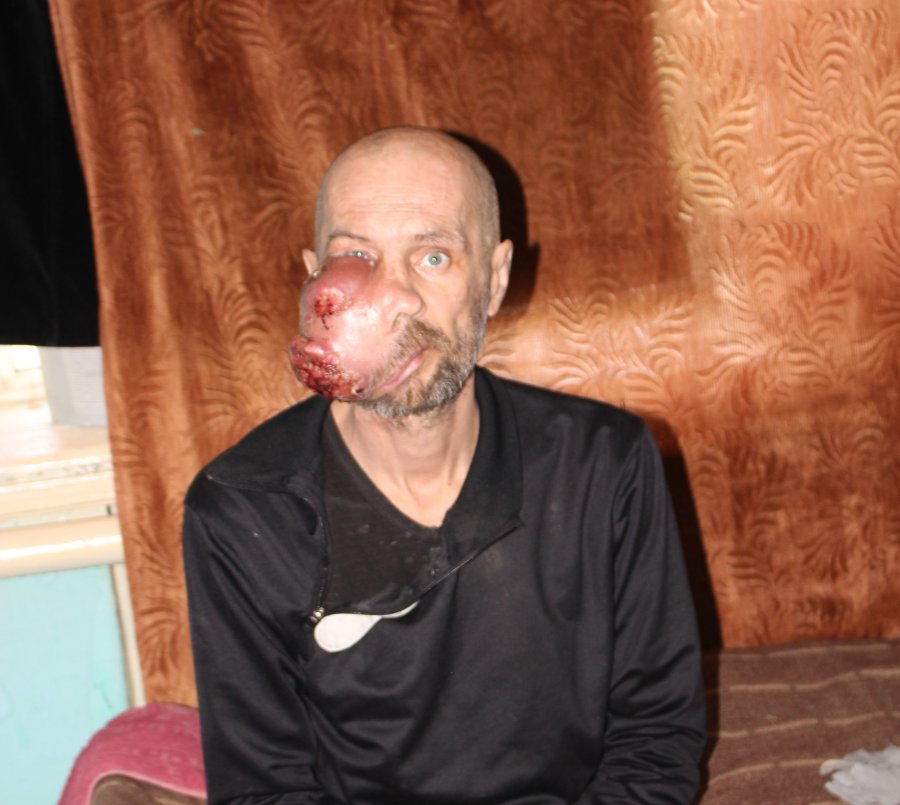
Actually the patient was left to die, because during the seven months that could have been spent in civilian hospitals saving the cancer patient’s life, Rubchenko was merely receiving bandage, antibiotics and painkillers.
Overall, according to data sent to us by the Central Health Department of the State Penitentiary Service of Ukraine, 2,009 convicts and prisoners died of illness between 2021 and 2026 (as of 31 March).
We decided to track the trends over recent years and compare this figure with the number of people held in State Penitentiary Service facilities during the corresponding periods.
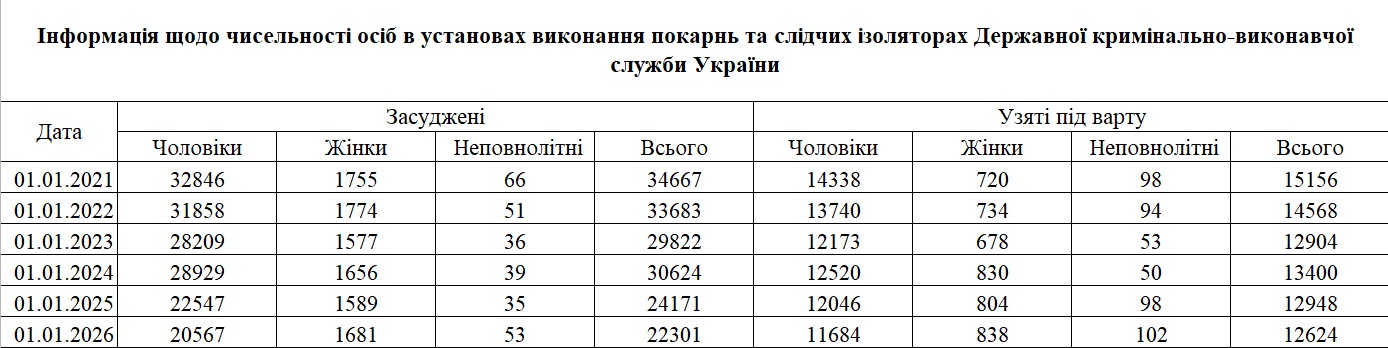
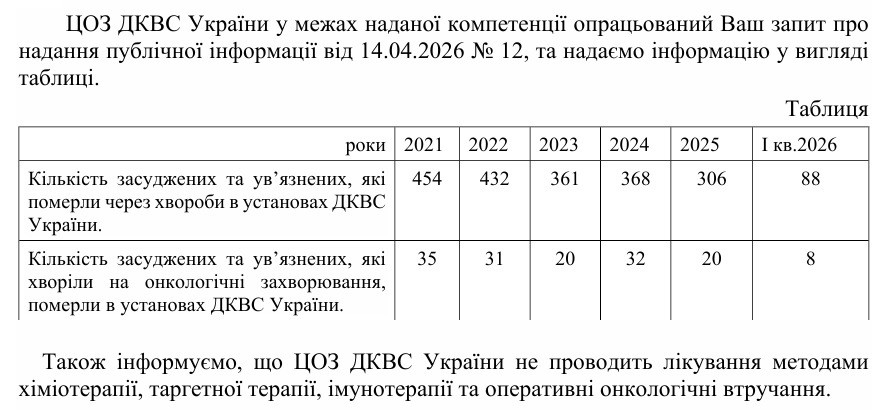
In 2021, 49,823 people were held in prisons and remand centres. 454 people died from illness. This represents 0.911%.
In 2022, the figures were 48,251 and 432 respectively. This represents 0.895 %.
In 2023, the figures were 42,726 and 361, representing 0.845 %.
In 2024 – 44,024 and 368 people – 0.836 %.
In 2025 – 37,119 and 306 people – 0.824 %.
In 2026 (first quarter) – 34,925 and 88 people. As a percentage, when considered in relation to the four quarters – 1.008 %.
The percentage of deaths from illness relative to the total number of detainees remains almost unchanged, although we can see a trend towards an annual decrease between 2021 and 2025 – albeit a negligible one.
However, the figures for the first quarter of this year show a sharp rise in the number of deaths in 2026 compared with the previous five years. And if this trend continues throughout the year, it will set a record for the decline in the quality of healthcare provision compared with previous periods.
And what about mortality rates among cancer patients? We found out from the Central Health Department of the State Penitentiary Service that 35 people with cancer died in 2021, 31 in 2022, 20 in 2023, 32 in 2024, 20 in 2025, and 8 in the first quarter of 2026.
The number of cancer deaths in prison fell between 2021 and 2023, but rose in 2024. Data for the first quarter of 2026 show a worrying trend, and if these figures continue until the end of this year, cancer mortality in 2026 will exceed that of any of the previous five years. Compared with 2023 and 2025, the cancer mortality rate will be more than one and a half times higher.
Human rights activist Andriy Didenko also draws attention to another issue within the system of exemption from serving a sentence due to serious illness. In particular, this concerns people suffering from mental health conditions or who are bedridden.
- I recently visited two patients. One was at Stryzhavsk Multidisciplinary Hospital No. 81, and the other at Starobabanivsk Correctional Colony No. 92. Both still have around five years left to serve.
The first is Gennadiy. He was convicted following a road traffic accident that took place back in 2017. Whilst he was receiving treatment, he contracted an infection. His condition is critical now: pus is constantly building up and needs to be drained regularly. Five of his ribs have already been removed. He must remain in a specialised medical facility at all times, with appropriate specialists who know how to treat him.
But here’s the catch – his condition is not included in this List of Diseases. Therefore, it is impossible to release him because of health in the courts.
The second patient is Serhiy. He lies there, unable to move or look after himself, wearing nappies. And his condition is also not included in this List. What should be done about people like this?
In the context of releasing individuals due to serious illnesses, I would like to mention one problem that remains effectively unresolved in our country. I mean the release of individuals from serving their sentences due to mental disorders. Specifically, the release with transfer to specialised psychiatric institutions for treatment.
According to the Article 84 of the Criminal Code, this possibility is provided. But in reality, there are no such cases.
I sent an enquiry to the Central Health Department of the State Penitentiary Service and received a reply stating that there had been four such releases over the last five years. There was no one released prisoner sentenced to life imprisonment.
During our monitoring visits, I have become aware of ten such cases of serious mental illness amongst prisoners serving life sentences. And this affects both staff and fellow inmates.
For instance, at Zamkova Prison No. 58, a prisoner suffering from mental health issues deliberately killed another prisoner. “This is a consequence of the failure to address such issues in the country,” concludes Andrii Didenko.
Numerous Ukrainian human rights organisations have been trying for years to address the issue of inadequate medical care in places of detention.
And the solution to this problem is obvious – to bring prison healthcare under the authority of the Ministry of Health. Then, it will be possible to raise the standard of medical care to that of civilian hospitals in places of detention.
VIII.
Torture in a prison for people with disabilities
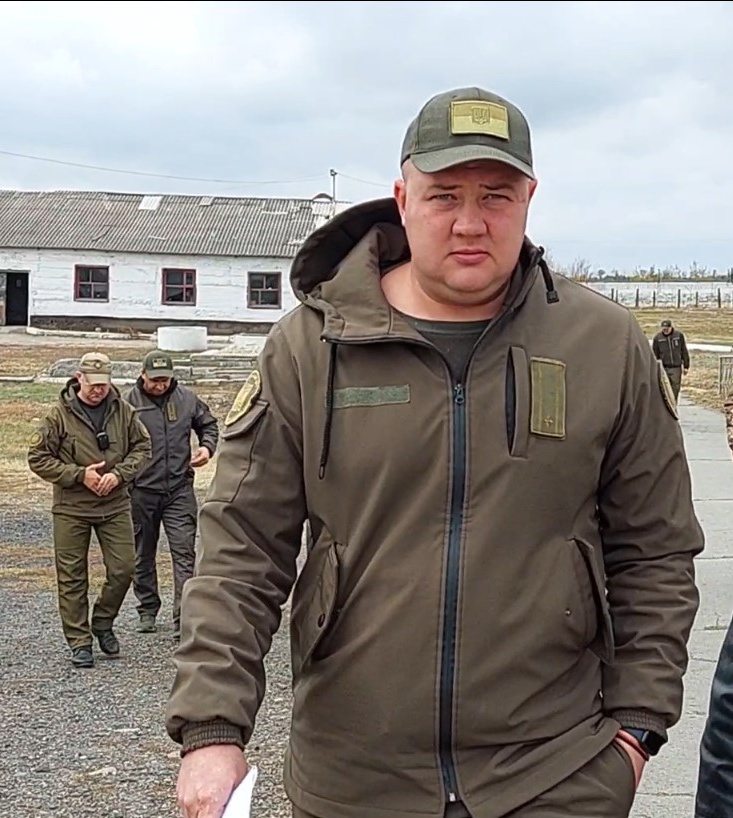
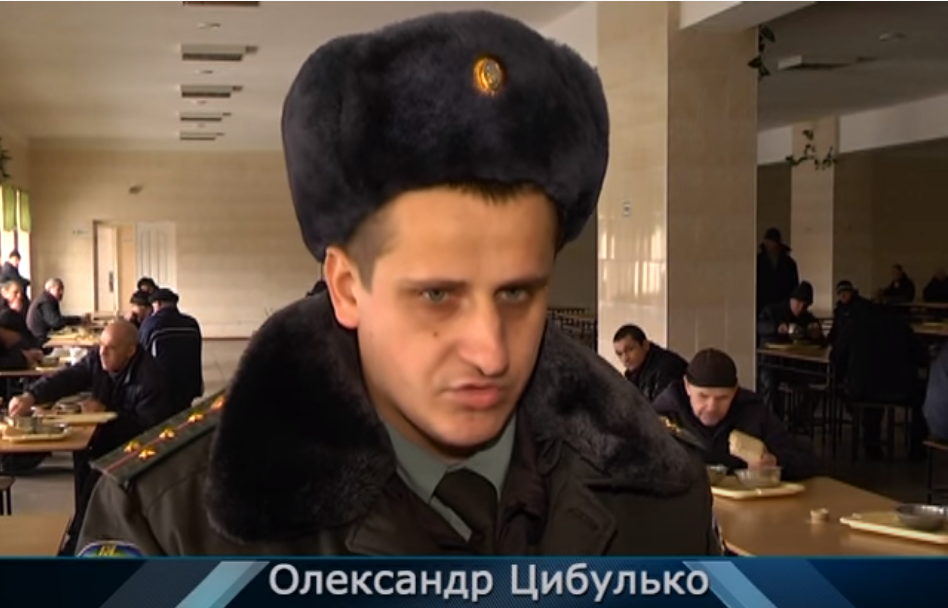
(photo: ‘Protection of Ukrainian Prisoners’ NGO)
The year is 2024. Sofiyivska Correctional Colony No. 45 in the Dnipropetrovsk region. Unable to endure the repression and torture any longer, some of the prisoners rise up. They turn to activists in the hope of securing justice.
At this prison, the administration organised systematic beatings of prisoners, carried out by their assistants from among the inmates (activists). A number of prisoners reported that prison staff were supplying drugs and vodka.
Human rights defenders responded to numerous complaints of ill-treatment.
A number of prisoners who had suffered violence told the human rights defenders that activists collaborating with the prison administration systematically beat people in the cells, wrapped them in duct tape and subjected them to abuse.
The prisoners described the abuse they suffered at the hands of the activists, presented evidence of drug trafficking, and named prison staff members who were smuggling in drugs and vodka.
There are also reports of numerous instances where prison staff ‘urinated’ on newly arrived prisoners. This took place in the duty room and the quarantine block – administrative premises to which entry was permitted only with the prison administration’s authorisation.
When a large number of prisoners at the Sofiivska Colony rose up against the violence, a paramilitary unit was deployed to the colony. Those who dared to speak out against the brutality organised by the prison management were beaten. Ultimately, despite all their allegations of drug trafficking and systematic violence, criminal proceedings were brought against the very six men who had been beaten – on charges of disrupting the institution’s operations.
This is an evil that has never been punished. For the organized conveyor belt of torture of convicts, the leaders of this colony escaped punishment
The NGO “Defence of Ukrainian Prisoners” has exposed and publicised human rights violations at Sofiivska VK-45 for many years, with the aim of bringing those responsible to justice. Human rights activist Oleg Tsvilyi shared with us shocking details of the unprecedented brutality at this prison, as documented by “Defence of Prisoners of Ukraine”.
- Sofiyivska Correctional Colony No. 45 was for people with disabilities. It is the only colony in the whole of Ukraine where people with disabilities were sent.
The colony had a hospital with two wards – a general medicine ward and a neurology ward. However, we found that there was not any doctor in either ward.
When we visited, we saw that the hospital’s appointment book was fully booked a week in advance. The medicines were extremely expensive.
However, the prisoners told us that nobody had ever given them those medicines. We were told that there were pharmacies operating right next to the prison, where all these medicines ended up on the shelves for sale.
We also established that money was being taken out of people with disabilities pensions – for services that should have been provided free of charge.
There was a section in the prison for able-bodied people: all sorts of administration ‘helpers’. Let’s put it this way: ‘administration lackeys’ – lawless, unrestrained individuals who, ever since their time in pre-trial detention centres, had been working on the orders of the prison management. In particular, they organised ‘press cells’ in the Kryvyi Rih and Dnipro remand centres. There, they ruined many people’s lives by forcing prisoners to make confessions.
And so these activists, at the Sofiivska prison, with the prison administration’s complicity, committed acts of tyranny, reprisals and abuse against sick prisoners with disabilities.
These activists had been authorised by the prison management and subjected prisoners with disabilities to torture.
This story did not begin in 2024; it had been going on for a long time. Back in 2022, a prisoner was released who managed to smuggle out of the prison and publish a video showing these very same scoundrels – the activists – tying prisoners up with duct tape and urinating on them.
Actually, this is the greatest tragedy of prisoners lives. It’s generally referred to as ‘social death’.
These activists were granted various privileges by the prison administration whilst they were tormenting and breaking other prisoners. They were exempt from the prison regime, were allowed to wear civilian clothes, used mobile phones, and consumed alcohol and drugs,” said Oleg Tsvilyi.
Nowadays no one of staff at Sofiivska Prison No. 45 has been punished for organising such a “concentration camp” for people with disabilities. The prison was reorganised into a camp for prisoners of war at the end of 2024.
Its governor from 2021 to 2024, Oleksandr Tsybulko, subsequently took charge of Zhovtovodsk Penitentiary Colony No. 26. He currently serves as deputy governor of Vodyanska Penitentiary Colony No. 146. He has not been held to account for the atrocities that took place at Sofiivska Penitentiary Colony.
Denis Yatsenko, deputy head of the Sofiivka prison camp, who was accused by prisoners of smuggling vodka and drugs into the camp for activists, has also remained within the system. He is deputy head of the aforementioned prisoner-of-war camp now, which operates within the confines of this zone.
Part 3. How prisons add extra years behind bars to prisoners’ sentences.
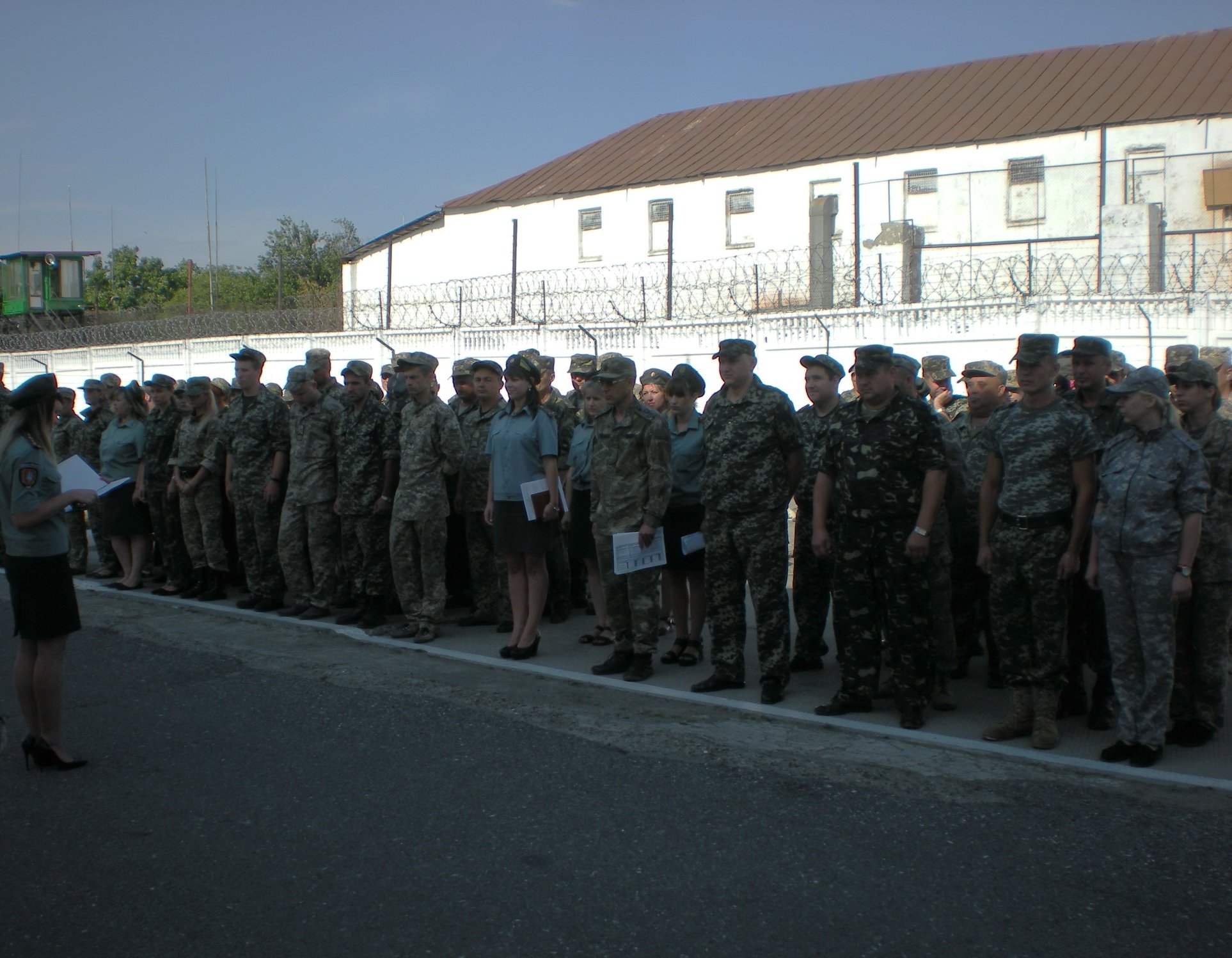
At the end of August 2020, the prisoner Serhiy lodged a complaint with the Voznesensk сity district court in the Mykolaiv region. He complained about the actions of the administration of Voznesensk Correctional Colony No. 72.
The court returned Serhiy’s complaint, justifying its decision that he should have filed a claim rather than a complaint.
Meanwhile, at the correctional colony, they decided to teach the prisoner a lesson. After all, it is unheard of for convicts to expose the ‘kings and gods of the prisons’.
IX.
For a new prison term
They began to pin Article 391 of the Criminal Code on Serhiy – wilful disobedience of the lawful demands of the prison administration. He was thrown into the disciplinary isolation unit, where they filmed him refusing to clean his cell.
For this, Serhiy received a new sentence – one year.
The Voznesensk colony doesn’t stand on ceremony with troublemakers. Twelve of its prisoners have received new sentences for disobeying the administration’s orders since 2021.
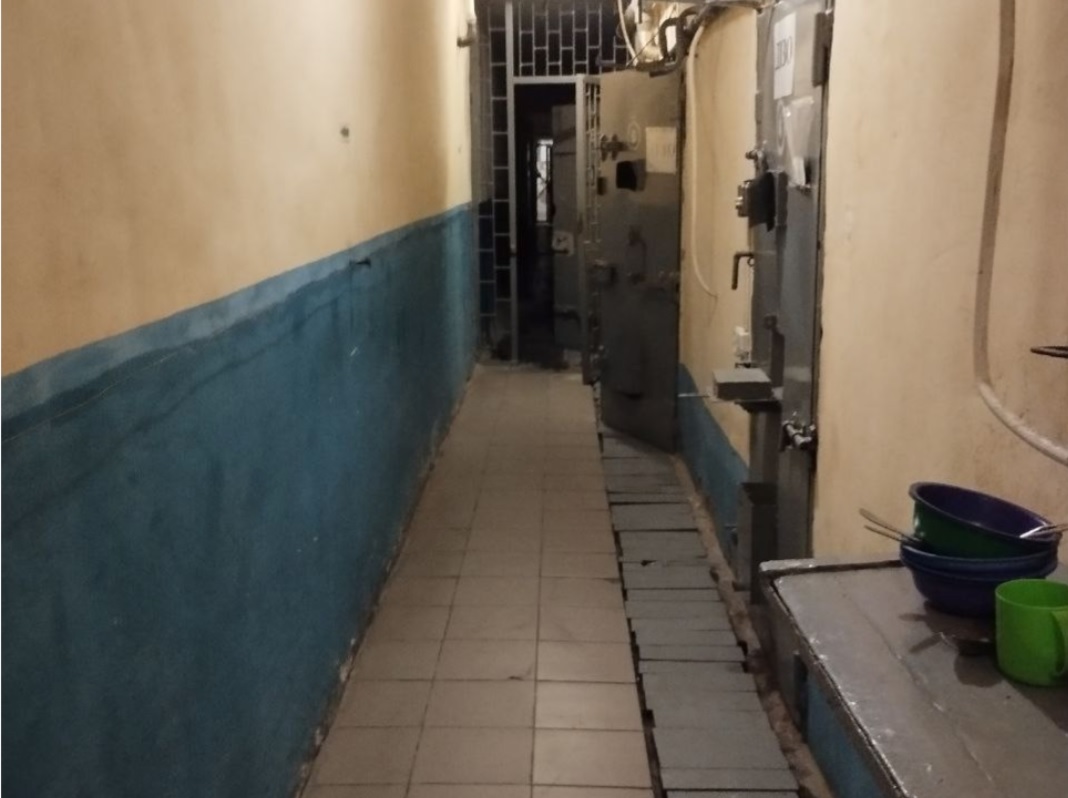
Roman, from the Rivne region, had been sentenced to ten years for murder. He would have had 7 months and 16 days left to serve. Roman must have made plans for the future. Find a job, make a family. The prospect of freedom was inspiring. Meanwhile, at Kolomyia Correctional Colony No. 41, a very different future was being planned for the prisoner, and arrangements were being made for his new sentence.
As a result, Roman was given an additional year’s imprisonment – just as in Serhiy’s case – for refusing to clean his cell.
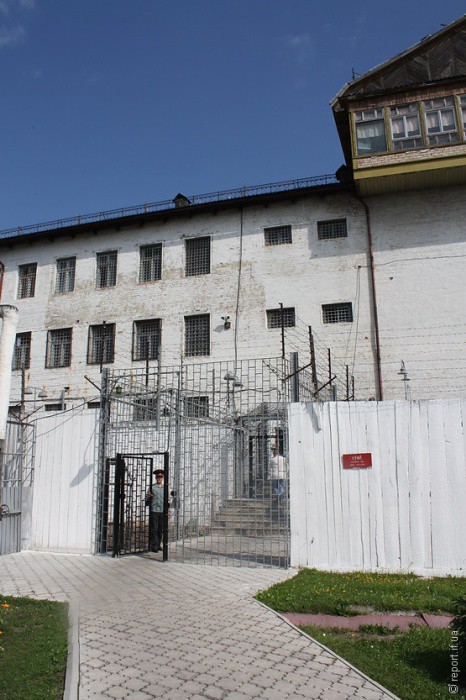
The prison staff wanted to film the whole process of him cleaning his cell - he told the judge. As there are a large number of similar videos from various prisons on the internet, he refused. He didn’t want to be humiliated in that way.
The judge at the Kolomyia city district court in the Carpathian region listened to him, but still added a further prison term.
There have already been 18 men ‘trained’ in this way by the Kolomyia prison complex since 2021.
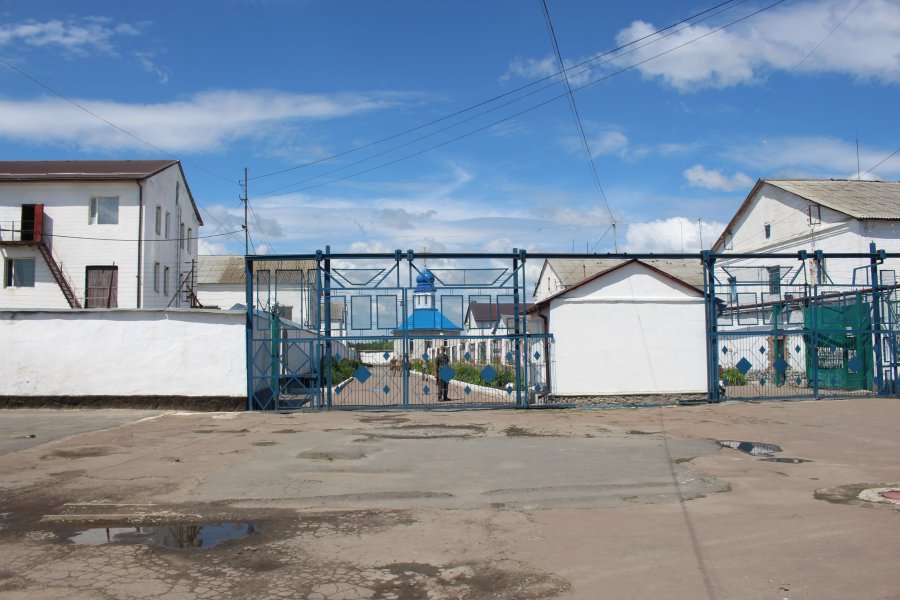
Article 391-a has become a powerful weapon that allows authorities to exert complete control over prisoners in penal colonies, breaking their will. Prisoners are handed down between 1 and 3 years’ additional punishment for disciplinary offences.
In 2026, prisoners were handed down additional years behind bars for refusing to clean, failing to keep their hands behind their backs, not wearing their identification badge, failing to fall into line during inspections, or refusing to occupy the sleeping place allocated by the administration.
Such disciplinary offences also formed the basis of sentences in the years 2021–2025.
Human rights defender Andriy Didenko, has been highlighting this issue for more than fifteen years, insisting on the need to abolish criminal punishment for such disciplinary offences committed by prisoners.
- This model of criminal punishment effectively amounts to holding a person accountable a second time for the very same offence. In legal terms, this is known as ‘disciplinary preclusive effect ’. In other words, a person is held disciplinarily liable for ‘disobeying’ the institution’s administration: for inappropriate behaviour, failing to follow the daily routine, not getting up at the appointed time, or not making their bed. As an example, they are sent to a disciplinary isolation cell for 15 days.
Then they are held criminally liable. The sole element of the crime, as far as the court is concerned, is that the person had previously been placed in a cell-type facility (CTF).
This is sufficient for the court. This is because the wording of Article 391 of the Criminal Code of Ukraine is the offense is considered proven if a person has received a disciplinary sanction in the form of placement in a PKT.
The existence of Article 391 in no way contributes to the purpose of criminal punishment, which should be resocialization. That is, the creation of conditions and measures designed to change a person’s mindset. Basically a person who has committed a crime and harbors a negative attitude toward society should undergo a transformation and become law-abiding and conscientious.
“So this article of the Criminal Code has absolutely no impact on resocialization; rather, it is a repressive, punitive model,” Andriy Didenko explains.
But unlike the two previous characters, Oleg was caught up by Raikivska Zone 73 while he was already on the outside. Oleg served his sentence at that prison and was released on July 10, 2024. On April 21, 2025, thanks to the efforts of Raikivska “73rd,” he was sentenced to one and a half year in prison. So Oleg didn’t get to breathe the “free” air for long, because the prison administration had other plans for him.
His insistence in court that all this happened because of strained relations with the prison administration—which systematically tried to humiliate him by forcing him to clean while being videotaped—did not help him.
The verdict was based on an incident in which Oleg refused to take his assigned sleeping spot in the ward when he was brought back from solitary confinement. And it appears that this situation was deliberately orchestrated by prison staff. After all, Oleg was ordered to take not his own bed, but another person’s bed and this bed was already taken. The lawyer’s argument—that the bed had been occupied by another person and this fact was documented during an inspection by prison staff, so Oleg was physically unable to occupy it and had slept in his own spot—did not refute the man’s guilt in the court’s view.
Thus, thanks to the efforts of the Raikivska Prison, Oleg received a new sentence and another year and a half behind bars.
This zone imposes new sentences on such people—because it takes into account the “criminal propensity of the individual.”
As in Vladimir’s case, who was also “punished” for refusing to occupy his assigned sleeping space in the ward and recived an additional one-year sentence.
It’s not customary to go easy on convicts in Zone 73. Here, people have been “broken” with extra years behind bars since time immemorial. Since 2021 13 inmates have received new sentences at the whim of the prison administration.
For example, last month after a failed appeal, a local inmate Oleksandr was sentenced to 1 year and 9 months. He did not admit guilt in court. He told the judge that he kept his cell clean, cleaning it regularly with his own supplies. He refused to clean only when prison staff were present. In other words, he cleaned it himself—but refused to do it when they were present and video recording was taking place.
Alexander’s position did not convince the judge.
Fedor also used this argument to justify his refusal to clean the cell. “They made me a scapegoat,” he protested in court. “I’m not a clown to be filmed while I’m cleaning. And then my kids would watch it on YouTube.”
Despite his assurances that he had no ties to the criminal underworld, and despite the fact that he has two young children and a seriously ill mother, Fyodor received a new sentence of one and a half years. The judge ruled that the defendant’s behavior significantly undermined the authority of prison officials in the eyes of other inmates, which severely hinders the normal operation of the correctional facility.
At the time this sentence was handed down, Fyodor had only 8 days remaining on his previous sentence.
Meanwhile, the inmate Ivan testified in court about the unlawful actions of prison staff and the physical violence he had suffered.
However, the judge took into account a letter from the Raikivska Penitentiary Zone itself, which stated that, according to the results of an investigation, no evidence of either physical or psychological pressure had been found.
It’s practically a satire—a convict complains that he’s being beaten at the prison, and the investigation is conducted by the prison itself. “Were you beaten?”—“No, come on.”
August 8, 2020, Ivan should have been released. By that point, the prison had already launched a full-scale investigation against him. So no one had any intention of releasing Ivan. The day before his release, he was taken into custody at the pretrial detention center.
The court’s initial verdict under “Article 391” was overturned on appeal. The case dragged on.
The second time, in June 2022, Ivan was sentenced to 2 years and 8 months. The appeal reduced the sentence by 6.5 months. By the time the Zhytomyr Court of Appeals issued its ruling, Ivan had already served all but two days of his sentence.
The Raikivska Colony is one of those places that continues to haunt people even after they’re released. And it doesn’t forget those who defied the administration.
Quietly being released after serving one’s sentence, reintegrating into society, and getting back on the path to rehabilitation—it's not about the Colony No. 73. Because even months, or even years, after release, convicts are “pinned” with charges of malicious insubordination and thrown back into prison.
Murad enjoyed his freedom for less than 1.5 years. In February 22, the Berdychiv City and District Court “handed down” a new sentence to him—1 year and 10 months—for disobeying the administration of the Raikivska Zone.
Murad was convinceing the judge that the administration had developed a hostile attitude toward him because he was a vagrant, belonged to a different religion, and constantly criticized them; as a result, he was subjected to disciplinary action practically all the time, placed in disciplinary isolator, and spent almost his entire sentence there.
They cleaned their cell every day, as they were living there and needed it to be clean; they even brought water in jerrycans themselves for this purpose. He insisted that he had never refused to clean, but would not allow himself to be humiliated, and immediately stated that he would not clean in the presence of prison staff. Instead, they should have left him the cleaning equipment and returned in half an hour.
However, the prison management insisted that he had to clean in their presence and that it had been video-recorded. In such cases, he refused.
Obviously, for the judges of the Berdychiv City District Court, the interests of the Raikov Correctional Colony take precedence in such cases.
Murad had to return behind bars.
It is likely that the state tries to formally resolve the situation. So Government Bill No. 15003 is currently before parliament. However, human rights activists insist that the Cabinet of Ministers’ initiative amounts to a mere formal ‘repeal’. Although Draft Law No. 15003 is presented by the Government as abolishing criminal liability under Article 391, and is supposedly a measure of ‘humanisation’, it introduces a new concept of ‘malicious disobedience’ into the Criminal Enforcement Code.
Mykhailo Romanov, an a candidate of legal sciences, has analysed the draft bill in detail.
He concluded that the Government is engaging in “backroom manoeuvring”, which could result in a convicted person serving their sentence in the disciplinary isolation unit (karcer) of a maximum-security prison.
“Acording to statistic the vast majority of sentences in Ukraine are for terms of between 3 and 5 years so placing convicts in the disciplinary isolation unit for ‘malicious insubordination’ for a period of one year would result in the security level of their detention being raised, and, consequently, all other restrictions on their rights by 20–30 per cent of the total duration of their sentence.”
Having analysed the data from the court register, we uncovered some disheartening facts.
Since 2021, 416 prisoners in Ukraine have been classified as ‘notorious troublemakers’ by prison authorities.
We found only one acquittal in the court of first instance.
One other prisoner was exempted from criminal liability due to the expiry of the limitation period.
So two people were spared. And 416 were convicted.
The number of convictions is as follows: January–April 2026 – 21, 2025 – 47, 2024 – 70, 2023 – 86, 2022 – 78, 2021 – 116.
As we can see, the number of sentences under Section 391 is decreasing, but it is worth remembering that a number of colonies have been closed in recent years. The total number of convicts has also decreased significantly.
The only chance of avoiding a new prison sentence for ‘malicious’ insubordination lies with those prisoners who, at the time the sentence was handed down, had already served their sentences for previous offences and been released.
Since 2021, 17 out of 416 convicted individuals have received suspended sentences with probation. A further two were fined. Four convicted persons were sentenced to between 1 and 6 months’ detention (as they were being held in Detention center at the time).
It is worth noting that, alongside the decrease in the number of convictions for ‘malicious disobedience’, there has also been a reduction in the number of non-custodial sentences handed down by the courts.
There were no probation orders in the first four months of 2026. And only one each in 2025 and 2024.
However, it is worth emphasising that our analysis has also shown that even the mere fact of a person’s release and being at liberty does not always mean that such a convicted person will be given a suspended sentence. This is because, in a number of cases, individuals continue to have additional sentences imposed on them for ‘malicious disobedience’ towards the prison administration and are sent back behind bars.
X.
Conveyor belts of additional sentences. Prisons that lead the way in imposing new sentences on prisoners.
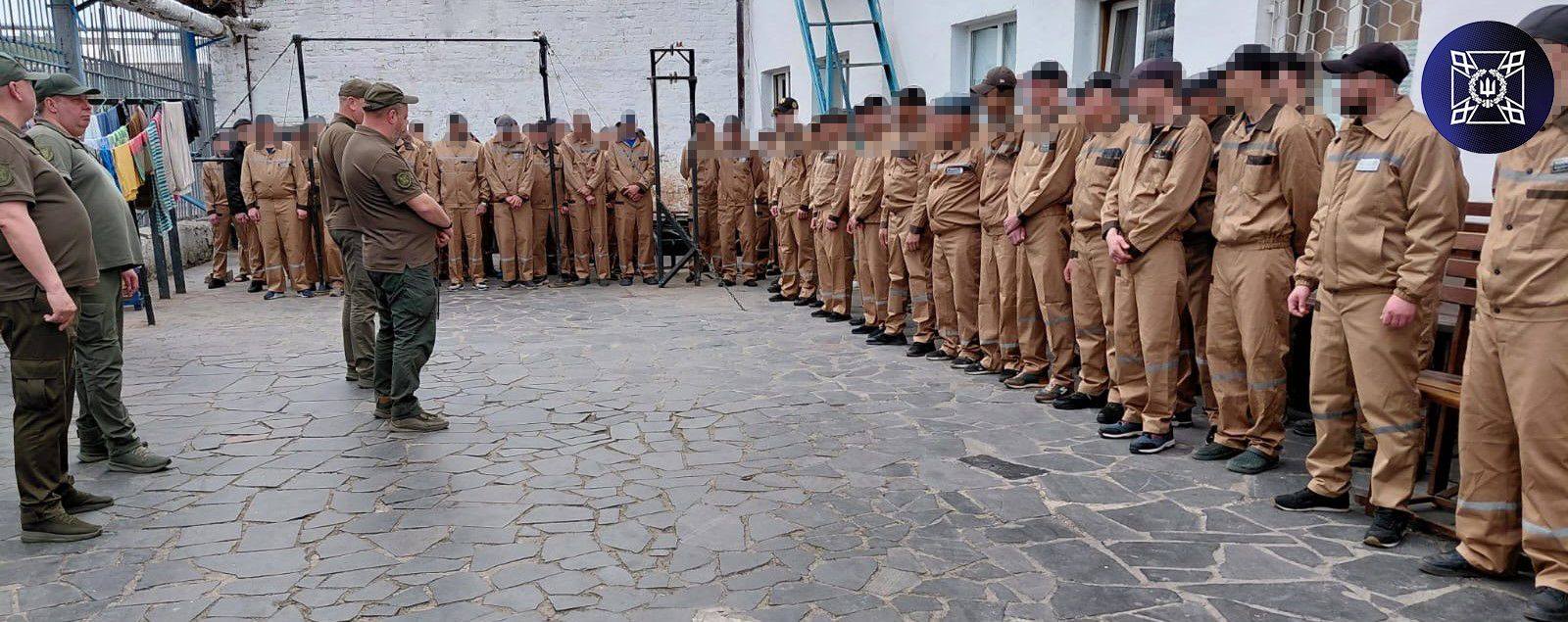
Prisoners who have had new sentences added to their existing ones “for wilful disobedience of the prison authorities” complain that prison staff have fabricated incidents in order to “pile on” additional years to their sentences.
Operatives and trash
Last August, the Arbuzinsky District Court in the Mykolaiv region heard the case of an inmate at South Ukrainian Correctional Colony No. 83. Vitaliy’s refusal to clean the exercise yard at the temporary detention centre would have been just one of dozens of similar cases in other colonies – were it not for one detail. The prisoner told the judge that, immediately upon arrival at the prison, he had spoken to the head of the wing. The latter told the new arrival in no uncertain terms that he would take every possible measure to ensure that Vitaliy’s sentence would be extended. The main phase of this plan was set in motion at Prison No. 83 on 3 March 2025. Vitaliy, who had already been placed in disciplinary isolation, was taken out into the exercise yard for a walk that day. He didn’t have any cigarettes, so he didn’t smoke. He walked alone, without any other prisoners. But for some reason, five prison officers turned up at once to observe the proceedings. After his walk, he was taken back to his cell, whilst the five officers remained in the courtyard. Fifteen minutes later, a crowd of prison staff were already standing outside his cell; pointing a video camera at him, they demanded that he return and sweep the exercise yard. Vitaliy was told that he had left cigarette packets lying around there. Vitaliy refused to comply with this provocation.
The judge heard the application – and handed down a new sentence: 1.5 years. The case is currently being heard on appeal. However, given that over the past five-plus years, we have counted just two out of 416 instances where such sentences have been overturned by the courts of appeal, the odds are certainly not in Vitalii’s favour.
To be the ‘activist’ – or to have a new sentence
Stirring up conflict between prisoners who ‘don’t get on’ with the prison management and the so-called ‘activists’ who actively cooperate with the administration is a typical tactic used by prison ‘bosses’.
Serhiy encountered this very situation at Synelnykivsk Correctional Colony No. 94.
He refused to be transferred to another wing of the prison following this decision by the prison administration. Serhiy assured the judge that the prison staff had deliberately arranged this transfer, knowing about his conflict with another prisoner who was held in that wing. He also told the judge that he had refused to live in that wing because he did not want to commit any further offences. The inmates there were involved in fraudulent activities, and if he had refused, there would have been serious consequences for him.
Serhiy’s case was heard in court, and thanks to the efforts of the Sinelnikivka prison administration, two years were added to his sentence.
We have identified the leading prisons responsible for initiating the imposition of additional sentences on prisoners under Article 391. We analysed data from the Unified State Register of Court Decisions from 2021 to April 2026.
First place, by a considerable margin, is held by Kryvyi Rih Prison No. 80. The administration of this zone ‘arranged’ 59 new additional sentences for its prisoners.
Next in the fight against ‘malicious disobedience to the administration’ is Odesa Prison No. 14, with 22 sentences.
Third place goes to Pervomaisk Prison No. 117, with 19 sentences.
The following places were shared by Drohobych Prison No. 40, Kolomyia Prison No. 41 and Dykany Prison No. 12 – each with 18 additional sentences imposed.
Other prisons that are effectively churning out additional years behind bars include Romny Prison No. 56, Politska Prison No. 76 (17 sentences each), Raikivska Prison No. 73, Sumy Prison No. 116, P’yatykhatska Prison No. 122 and Solonyanska Prison No. 21 (13 each).
If we see these figures by region, the prisons in Dnipropetrovsk Oblast – with 94 sentences – and Kharkiv Oblast – with 67 sentences – lead the way as the harshest regions in terms of imposing additional prison terms.
Refusing to clean the warden’s office?
Another scheme was ‘organised’ against yet another prisoner at Colony No. 94. In court, Vyacheslav insisted that he had been forced to clean the office of the ward supervisor. He naturally refused to carry out such sweeping and cleaning, as this was not a communal area and they had no right to make him clean it under the pretext of ‘improving the grounds’. It was precisely this refusal to clean that the prison administration had most likely counted on. Vyacheslav was provoked into malicious disobedience.
By the time the case reached its final hearing in court, Vyacheslav had served his sentence and was at liberty. However, at the end of September 2023, the Synelnykiv City and District Court decided that another two years behind bars would “do him no harm”. And thanks to the efforts of the Synelnykiv prison, the man was sent back to prison – to serve a new sentence.
Whether he has four months, a few days, or even more than a year left to serve before his release – this does not prevent him from receiving a new sentence under Article 391, organised through the efforts of the prison’s ‘princes’. And sometimes, no sooner has a person been released than they are signed up for a new sentence.
Stanislav, from Pervomaisk Correctional Colony No. 117, managed to spend just 13 days at liberty before his court sentence and a new term for insubordination in that facility.
Report on the number of prisoners
Serhiy has already had new terms imposed on him under Article 391 three times. One of them was in January 2025. Oleksiyivka Correctional Colony No. 25 was behind this. They ‘arranged’ a typical case of insubordination for him – including for refusing, whilst on duty in the disciplinary isolator, to report the number of prisoners in the cell.
In this сase, such a demand by the staff of the Oleksiyivka zone can be interpreted as a provocation. That is precisely how Serhiy perceived it. After all, for all four consecutive days when he was filmed, he was alone in the cell. So the number of inmates was obvious to the staff of Colony No. 25.
They also added a refusal to clean – as a result, thanks to the prison’s efforts, Serhiy received a further two years behind bars.
By the way, at the end of 2025, Serhiy’s sentence was extended once again. And once again under Article 391. If the prison administration continues to treat this prisoner so harshly, the day he is released will be pushed back year after year.
Similarly, Rodion was accused of no reporting on the number of prisoners in the aforementioned 83rd South Ukrainian Colony. He was alone in his cell as well. But the fact that he ‘reported’ that there was only one prisoner in the cell was absolutely essential to the prison administration. He refused and the result was malicious disobedience to the administration’s demands. Quite simply, a crime that undermines the very existence and functioning of the entire prison.
They added to his charges the fact that he had been wearing his own clothes, refusing to wear the prison uniform. The result: two years more .
Kidney disease is no obstacle
But Korosten Correctional Colony No. 71 displayed particular cynicism. Here, they decided to teach a seriously ill prisonera a lesson and ‘organized’ disobedience by him.
Serhiy confirmed in court that he sometimes refused to work because he suffers from kidney disease, which caused him pain.
A prison doctor was summoned to the hearing. The doctor confirmed that, whilst serving his sentence at the colony, Serhiy had been under medical supervision and had periodically asked medical assistance from the medical unit.
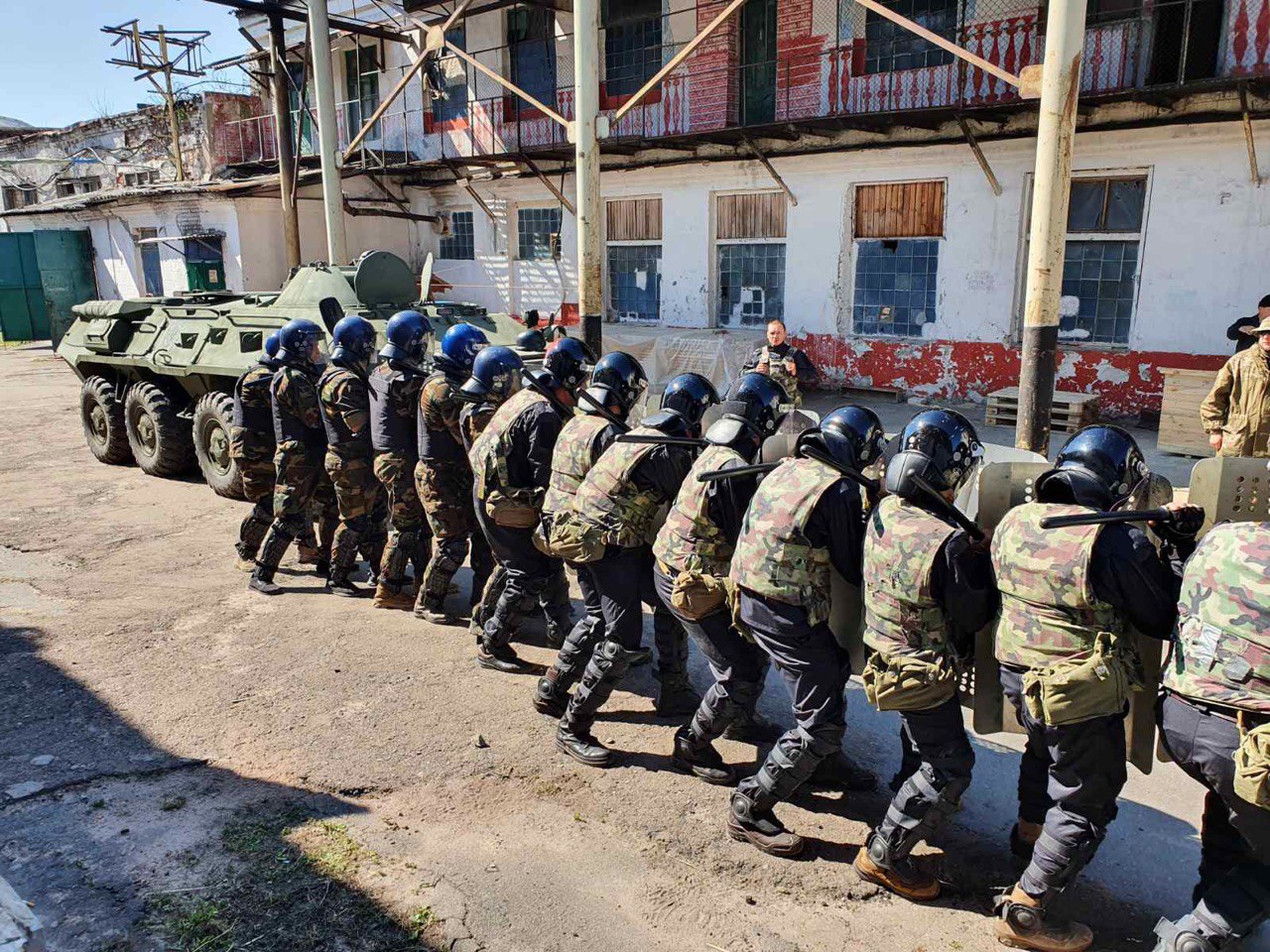
XI.
Refused to pay protection money, refused to inform on others, and filed complaints with the prosecutor. Who gets their sentences extended in prisons?
A Belarusian-born inmate repeatedly complained to the prosecutor about the actions of the staff at the Zhytomyr penal colony. Yurii claimed that he had made these complaints orally because the staff of Penal Colony No. 4 refused to provide him with a pen and paper to submit written complaints. According to him, it was precisely because of these complaints that the prison administration developed a personal animosity toward him.
Yurii maintained this version of events before the Bohun District Court of Zhytomyr. Following a petition filed by Penal Colony No. 4, he was facing an additional prison sentence for willful disobedience of the prison administration. Yurii pleaded not guilty.
They handcuffed him and struck him with a baton
"They put handcuffs on me, forced me to do squats, and beat me with a baton," he told the judge.
Yurii insisted that he was unable to perform cleaning duties because of his medical condition. Poor health, spinal and stomach problems, and a flare-up of a peptic ulcer prevented him from carrying out maintenance and landscaping work within the prison grounds.
He regularly sought medical assistance from the colony's physician and took prescribed medication.
Yurii was examined by a medical commission, which decided that he should be hospitalized. He was subsequently transferred to the hospital at Shepetivka Penal Colony No. 98, where he was admitted to the therapeutic ward. Doctors imposed restrictions on his physical activity, determined that heavy physical labor was contraindicated, and prescribed a special diet.
According to an extract from his medical records, Yurii was diagnosed with the after-effects of a previous illness and kyphotic deformity of the thoracic spine.
Nevertheless, the court viewed Yurii's arguments critically, concluding that they were an attempt to evade criminal liability.
The judge justified this decision by stating that the medical records examined during the trial showed that the inmate suffered from several chronic illnesses which exempted him only from heavy physical labor.
According to the court, cleaning duties did not affect his health or aggravate his medical condition.
The judge found no evidence to support Yurii's claims that the prison staff had acted with prejudice against him.
Yurii, who had only 14 days remaining to serve of his original five-year sentence, was sentenced to an additional 18 months' imprisonment for willful disobedience of the prison administration.
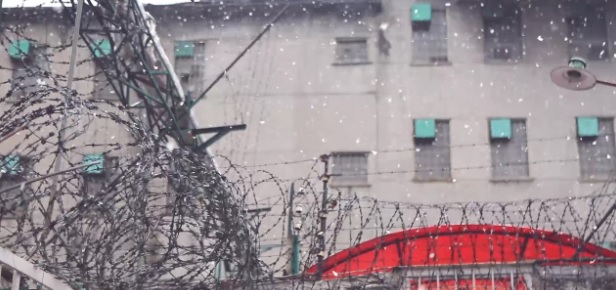
Exposed unlawful activities
As we can see, prison administrations pay particular attention to inmates who file complaints or expose unlawful conduct by prison staff. Such prisoners may continue to face retaliation even after they have been released.
That is what happened to Denys, formerly held at Pervomaisk Penal Colony No. 117, who received an additional one-year prison sentence for willful disobedience.
In court, he stated that the administration of Pervomaisk Penal Colony No. 117 sought to punish him for exposing the unlawful activities of the staff at Berdiansk Correctional Colony No. 77, where he had previously served his sentence.
Denys also repeatedly told the court that he had not violated the prison regime. He refused to clean his cell only while prison staff were recording him on video. Once the recording stopped, however, he expressed his willingness to comply with the prison officer's instructions and proceeded to clean the cell.
By the time the court delivered its verdict, Denys had been free for only four and a half months.
Will you inform on other inmates?
Oleksandr, formerly held at Kryvyi Rih Penal Colony No. 80, told the court that prison staff had pressured him to inform on other prisoners. He refused, and, according to his testimony, this resulted in biased treatment against him. He denied committing the offense of willful disobedience, maintaining that the entire case had been fabricated as a provocation against him.
The court, however, did not take these claims into account when delivering its judgment.
One more year behind bars. Another prison sentence. And a return to prison. By the time the verdict was pronounced, Oleksandr had already completed his previous sentence and had been released.
Extortion by Prison Officials
Volodymyr, an inmate at Boryspil Correctional Colony No. 119, told the court that the deputy head of the institution had demanded $1,000 from him. Volodymyr refused to pay. According to his testimony, this was the reason why prison staff developed a biased attitude toward him. He categorically denied the charge of willful disobedience of the lawful orders of the prison administration, arguing that the accusations were fabricated and that the evidence had been falsified by colony staff.
At the request of the defense, the court heard testimony from a defense witness who had been imprisoned at Boryspil Correctional Colony No. 119 at the same time as Volodymyr.
The witness testified that shortly after his arrival at the colony, prison staff began extorting money from him. He identified the prison governor himself as one of those involved in the extortion.
According to the witness, the money was demanded in exchange for avoiding various problems with the prison administration during the course of his sentence.
The witness also testified that he had heard similar stories from other inmates, who said they had also been forced to pay money in order to serve their sentences without interference from the prison administration.
Volodymyr maintained before the court that he had refused to perform outdoor cleaning duties because he was ill and physically unable to carry out such work. He suffered from serious health problems and required hospitalization, but prison staff ignored his requests for medical assistance. He also disputed the findings of the medical assistant who had examined him, arguing that the examination had been superficial and did not accurately reflect his actual medical condition.
Each time he appeared before the prison disciplinary commission, Volodymyr requested legal assistance and asked for a lawyer to be appointed. However, legal representation was never provided. He stated that he had never signed any waiver of his right to counsel.
Volodymyr maintained that the case against him had been fabricated because of the hostile relationship between him and the prison staff.
The date of October 24, 2022 will be remembered as a landmark date for the Ukrainian human rights community. On that day, Judge Serhii Vozniuk of the Boryspil City District Court of Kyiv Region delivered the only acquittal by a court of first instance under Article 391 of the Criminal Code during the previous six years.
The judge ruled that the vast majority of the prison documents on which the prosecution had relied were inadmissible as evidence. The same conclusion was reached with respect to the video recordings.
The court found that the prosecution's claim that the prisoner had categorically refused to comply with a lawful order of the prison administration was based solely on assumptions, which are inadmissible as a basis for a criminal conviction.
The judge also explained that the prosecution under Article 391 of the Criminal Code had relied on the same facts—namely, identical violations of prison regulations—for which Volodymyr had already been subjected to disciplinary sanctions.
In the court's view, imposing criminal liability on a person serving a prison sentence on the basis of a series of substantially identical disciplinary violations, each of which had already resulted in disciplinary punishment, violated the principle of *non bis in idem* ("no one shall be punished twice for the same offence"), as guaranteed by Article 4(1) of Protocol No. 7 to the European Convention on Human Rights.
30.05.2026
Taras Zozulinskyy