
The Prison Empire of Ukraine. 21st Century Concentration Camps for the Disabled and Seriously ill
- Тарас Зозулінський
VI.
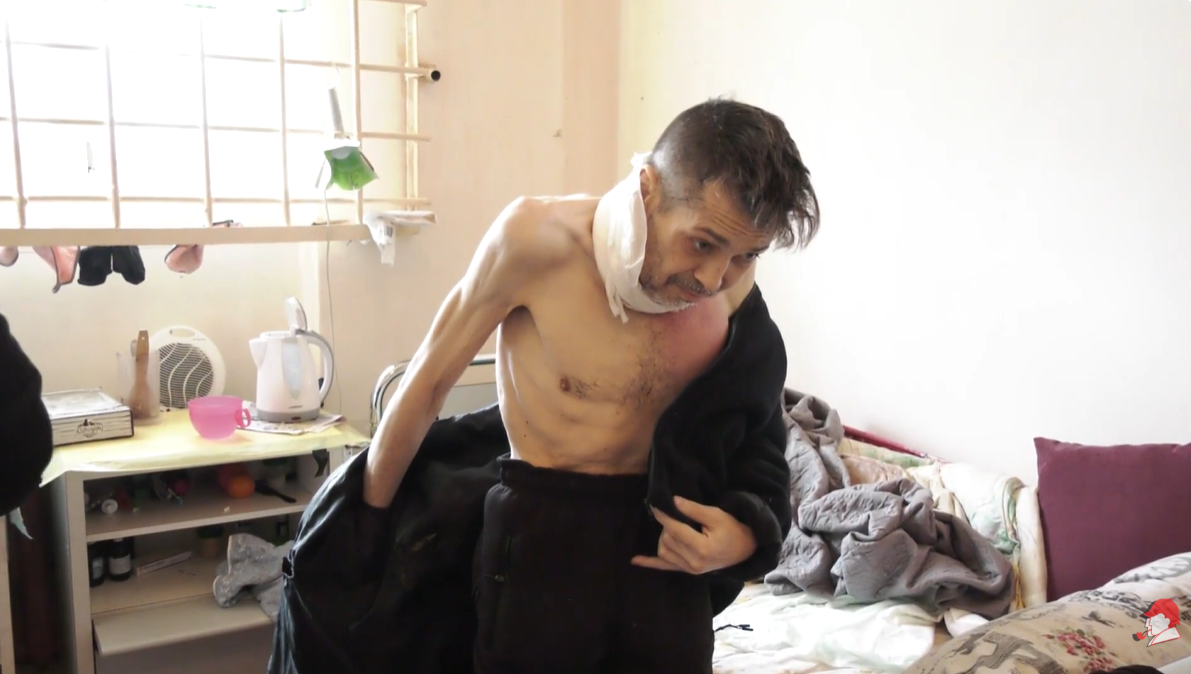
- ‘We’ll grind you to dust.’ - Prisoners are being 'broken' by operational officers in a tuberculosis colony on the Dnieper.
The intense pressure on seriously ill prisoners has intensified even further following our journalistic enquiries. Complaints lodged with the Public Prosecutor’s Office, the State Penitentiary Service and the Verkhovna Rada Commissioner for Human Rights have led to punitive measures being taken against those who contacted us.
The following day, after we had sent out a statement listing the facts of alleged ill-treatment and repression at Dnipropetrovsk Specialised Tuberculosis Hospital No. 89, attached to the local Dnipro Correctional Colony, the patient Serhiy Kyrychenko, who had initiated the statement to the press, was thrown into a disciplinary isolation cell.
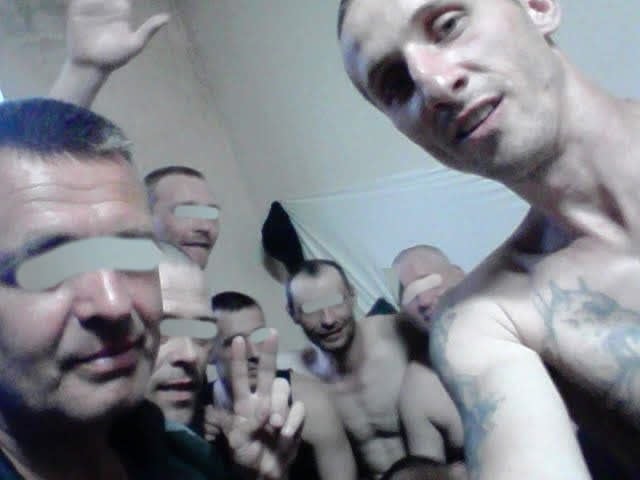
Another prisoner, the soldier Mykhailo Koretskyi, was transferred to a different ward.
Oleksandr Dyachenko, who dared to speak out openly about abuses in the prison, was forced to write a statement claiming that his attempted suicide was not caused by persecution by prison officers.
It is said that the head of the operations unit of the colony began deliberately creating confrontations between sick prisoners – who had dared to speak openly to journalists about the pressure they were under – and other prisoners.
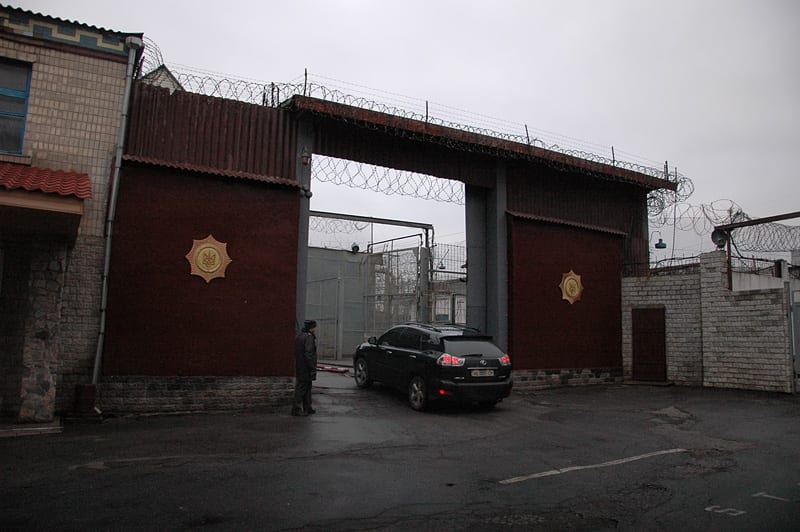
Operational officers of Dnipro Correctional Colony No. 89
Serhiy Kyrychenko was serving a sentence at Kharkiv Prison No. 43. He has been convicted on more than one occasion. He admits to committing the crimes. He says he has repented. Before his most recent conviction, following yet another spell in prison, Serhiy was actively volunteering at a shelter for rescued animals in Tsyrkuny, in the Kharkiv region. He rescued dogs and cats from frontline regions.
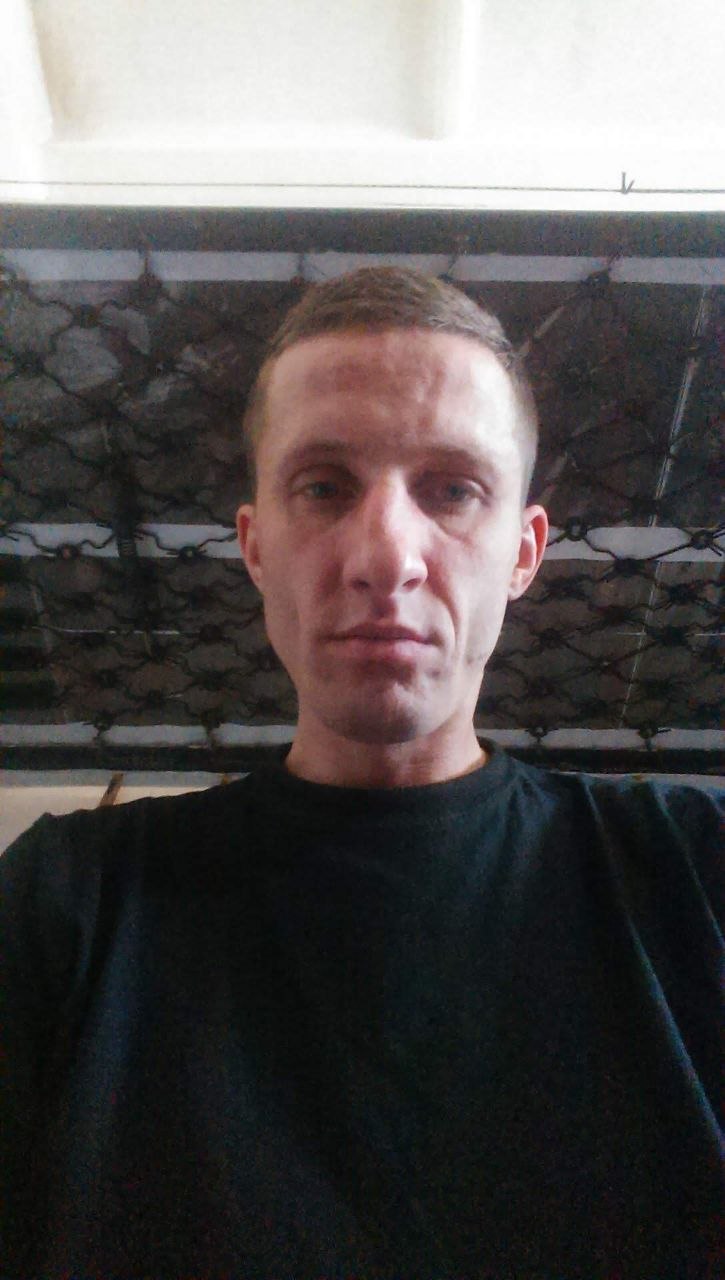
His common-law wife and child are in the temporarily occupied territory.
After being sentenced to another term of imprisonment, Serhiy decided to volunteer for the war. He says he was determined to “atone for his guilt with his blood” by storming enemy positions.
Whilst at Kharkiv Correctional Colony No. 43, Kyrychenko received written consent from his military unit to serve in the SHKVAL specialised assault battalion. However, he failed the medical examination. Suspected of having an illness, he was transferred to the tuberculosis hospital attached to Correctional Colony No. 89 in Dnipro.
The tuberculosis was confirmed. Kirichenko was stuck undergoing treatment for over a year.
About half a year ago, a new head of the operations unit of the colony , Yegor Pasko, arrived at their Zone 89. This operations officer had previously served in the Sumy region, at the 56th Colony in Romny, and in the Kyiv region at Boryspil Penal Colony No. 119.
Yegor Pasko was in charge of the operations unit and Mykola Bilenko was enlisted to assist him.
Since then, according to the inmates, pressure has been exerted on some of the prisoners at the Dnipro Colony. They say they were forced to cooperate – to inform on other prisoners. Pasko and Bilenko reacted harshly and with relish to any refusals.
The persecution of dissidents and the breaking of those who refused to comply began.
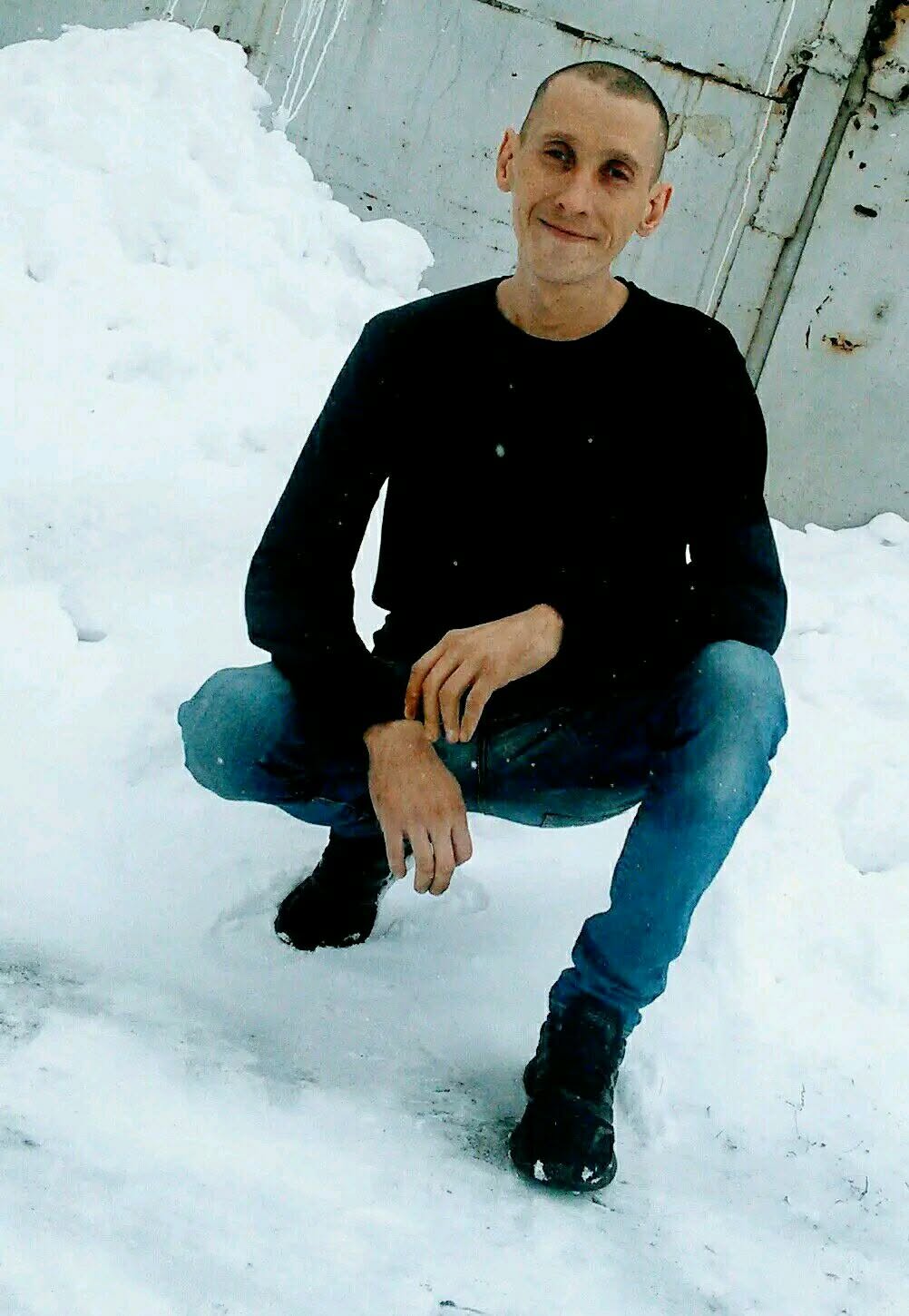
"We'll give you some sadness"
- On Easter Sunday, Yegor Pasko, the head of the operations unit, called me to ‘headquarters’. He put pressure on me to cooperate – to inform on the other prisoners. I was in close contact with Kirill, who was pulling off all sorts of scams. He’d recently been released.
So the head of the operations unit was insisting that I stayed in touch with him and found out informarion.
“Let me know when he’s planning to pull something off. We’ll set a trap for him and ‘hand him over to the police’,” says Kyrychenko, describing his conversation with Pasko.
Kirichenko dodged the question, saying he’d think about it. When three weeks had passed and no information had come in from Kirichenko, the head of the operations unit stepped up his efforts.
“They initiated searches. They turned up almost every day – operatives, inspectors. It got ridiculous. After one search, my underpants went missing. After another, a few pairs of new socks. Another time, they took my frying pan,” Kirichenko recounts.
- During one of the searches, they took my tablet. An hour later, Pasko called me into his office. He said that my video camera had been unlocked. I looked and saw a lot of wires coming out of my tablet, with various devices connected to it. He had unlocked the camera himself.
He said, ‘I’m confiscating your tablet.’ I replied that I would lodge a complaint. Pasko lunged at me and started hitting me on the head and stomach,” says Kyrychenko.
According to many tuberculosis patients, all parcels send to them from the outside “go through” the operations department. And it is up to the operations staff whether a prisoner receives their parcel.
Kirichenko informed that he had come under pressure in this regard from officer Mykola Bilenko. The prisoner explained that Pasko’s subordinates had forbidden giving Serhiy the 10 kg of tea sent by his friends.
“He ordered that I be given no more than one kilogram at a time. As a result, about three kilograms went missing. And Bilenko tells me that’s all, the tea has run out. That’s how they started to sabotage my entire treatment.” –
“Because of the pressure, I swallowed part of a spoon handle”
Oleksandr Dyachenko, another patient from the tuberculosis hospital at Colony No. 89, told us that, in order to put an end to the pressure being exerted on him by the operatives, he resorted to an unprecedented act – he swallowed part of a spoon’s handle.
- A few days after I was transferred here for treatment from Sinelnikivska Prison No. 94, I was called to ‘headquarters’. Pasko and Bilenko were in the office. They started trying to recruit me to ‘snitch’ on the prisoners. They expected I would tell them who was up to what and who was in contact with whom on the outside.
They offered benefits, saying they wouldn’t touch me and I’d be able to use a mobile phone. They said, ‘You’re going to be here for a long time anyway. You’ll have access to Wi-Fi and better conditions.’ That sort of thing.
I refused straight away. Their behavior changed immediately. They started threatening me – saying they would have sent me to another prison with a cover letter and I would have been wiped off the face of the earth there.
Ten days later, they burst into my cell. They started tearing my things apart; Pasko shouted that I should have agreed to cooperate. They took my mobile phone.
Those who refuse to cooperate with them are threatened and subjected to physical violence.
Yegor Pasko continued to threaten me. Under pressure from him, I swallowed part of a spoon, – said Oleksandr Dyachenko.
“One of the patients is prepared to sew his mouth shut”
Another prisoner told us that around 40 patients undergoing treatment at Dnipropetrovsk Specialised Tuberculosis Hospital No. 89, attached to the penal colony, have also been subjected to the methods employed by the Pasko–Bilenko duo.
- Pasko put pressure on me to inform on whoever was ‘smuggling drugs into the prison’. They threaten anyone who refuses; they might even hit them. If representatives of the Ombudsman come to visit us at the hospital, all these prisoners will speak out. They’re afraid to make open statements to journalists right now, because of the obvious reprisals from the staff. But they’ll tell the Ombudsman’s representatives everything face to face.
These operations have driven one of the patients to such extremes that he’s going to sew his mouth shut. Literally. To take a thread and sew his lips shut,” insists the prisoner.
The sick soldier Mykhailo Koretskyi also has a complaint against the officer Bilenko. He says that the officer refused to give him two sacks of potatoes sent by his family.
‘Bilenko ordered that only 1 kilogram be given out at a time. As a result, I was given just one sack in total. 30 kilograms went missing. I asked him where the rest was. And Bilenko just smiled and said, ‘It’s all gone,’” the prisoner told us.
To a disciplinary isolation cell for intimate photos of his wife
Following our appeals and journalistic enquiries, the very next day, Serhiy Kyrychenko was summoned to appear before the prison committee. The head of the operations unit accused him of possessing and distributing pornographic photographs.
- The situation is that my common-law wife is currently in the temporarily occupied territory. Consequently, for security reasons, she uses my Facebook profile. She makes calls from it and messages people via Messenger. To keep in touch with her, I have another account. After all, she and my child could run into trouble with the Russian law enforcement agencies if they find out that her husband is in Ukraine.
Yes, she sometimes sends me intimate photos of herself. These are erotic photos. They don't have pornographic images.
So Pasko gained access to my Facebook account and downloaded these photos of my wife from Messenger.
At the prison commission, he showed screenshots, claiming that I was distributing pornography.
That’s my wife. Yes, she’s a civilian, but I have photos with her and with my child. I’m also listed as the father on the birth certificate. Can’t my beloved send me erotic photos? – says Kyrychenko.
Allegedly, because of these photos and the tablet’s video camera being unlocked, Kyrychenko was placed in single cell.
Koretskyi was transferred to another wing.
We were also able to obtain information from a third complainant. Oleksandr Dyachenko told us that following these events, Yegor Pasko summoned him to his office.
“We’ll grind you to dust”
- Write a statement saying you swallowed a piece of a spoon handle because another prisoner was putting pressure on you.
You need an operation, and it’s up to me whether you will got it or not, - says Oleksandr Dyachenko, quoting the head of the operations unit.
Another prisoner we’re in contact with told us that doctors had informed him of repeated visits from Pasko, who had begun to take a keen interest in how Kirichenko could be discharged from hospital.
This prisoner also told us that prison officers have prevented other sick prisoners from receiving parcels. They’re telling them that all this is happening because of Kyrychenko’s appeals to journalists. And other prisoners should ‘put pressure’ on the complainant.
“Pasko walks around the prison, telling inmates he’s ‘close’ to that nothing will happen to him. And that he’ll stay here anyway. He boasts about his cousin who works at the public prosecutor’s office,” the prisoner reports.
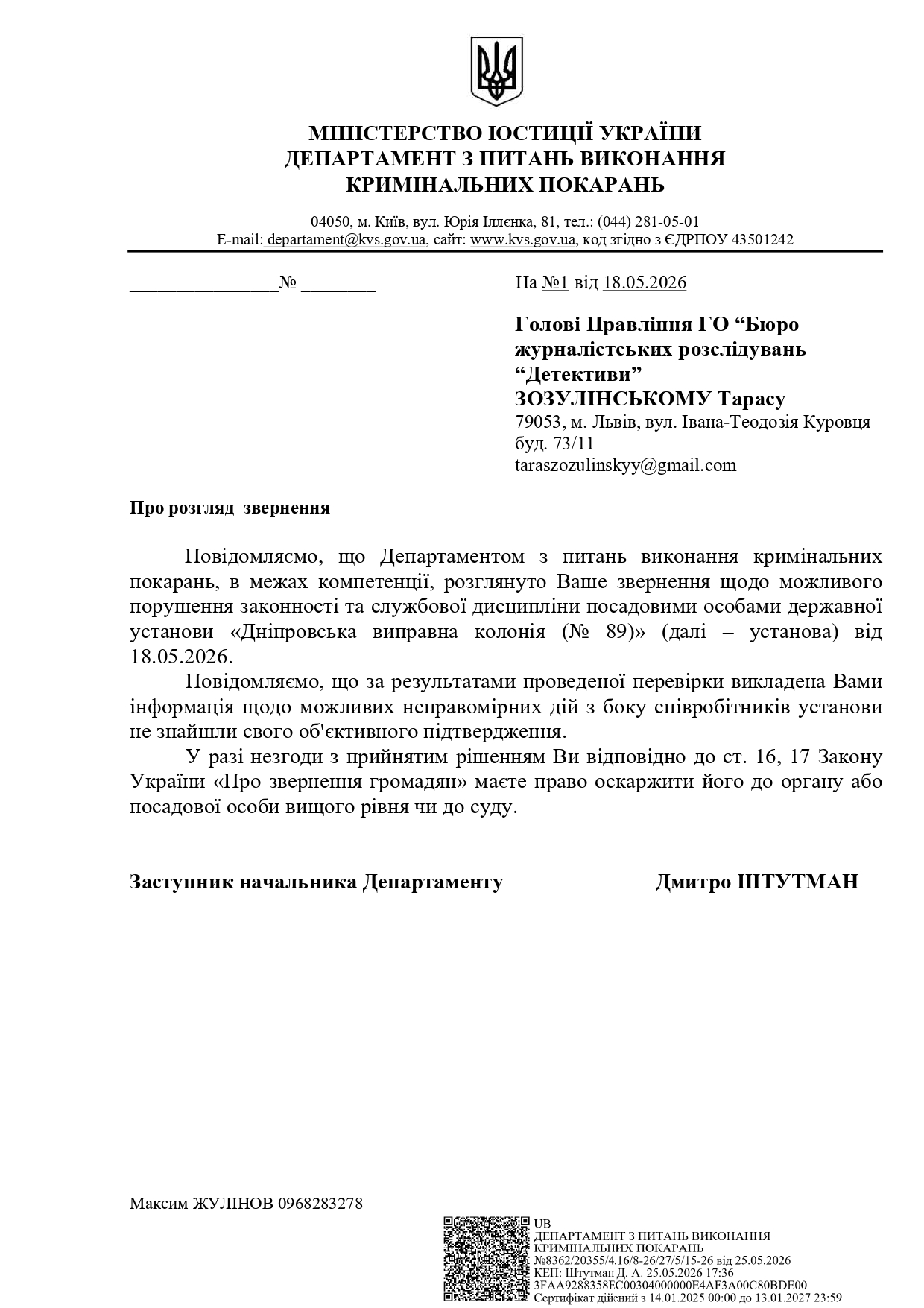
Meanwhile, we have received a reply from the Department for the Enforcement of Criminal Sentences:
“Following an investigation, the information you provided regarding possible unlawful actions on the part of the institution’s staff has not been objectively substantiated,” wrote Dmytro Shtutman, Deputy Head of the Department, in a brief response.
However, Acting Head Oleg Stepanuk, from the South-Eastern Interregional Directorate for the Enforcement of Criminal Sentences of the Ministry of Justice, provided a more detailed response:
“… an investigation into the alleged violations was initiated and carried out, during which a visit was made to the state institution ‘Dnipro Correctional Colony (No. 89)’ and Dnipropetrovsk Specialised Tuberculosis Hospital No. 89. Based on the results of the investigation, we report the following:
During confidential interviews with the prisoners S.A. Kyrychenko, O.V. Dyachenko, M.V. Koretskyi and other detainees, no evidence was found of physical violence, beatings or threats on the side of Y.V. Pasko and M.V. Bilenko.”
At the same time, Serhiy Kyrychenko himself refutes this information from the Interregional Directorate regarding his position.
- That is not true. I did not say that and did not sign it. In my statements, I wrote and confirmed that I was subjected to constant psychological pressure from Pasko and Bilenko.
I also confirmed in writing that physical force was used against me.
All statements from the Directorate or the institution’s administration claiming that I allegedly denied the fact that unlawful actions were taken against me by operational officer Pasko are untrue. -
We have also already described above what happened following our journalistic enquiries. And that, according to Dyachenko, Pasko forced him to write the relevant statement under pressure.
The Interregional Directorate also states that no instances of misappropriation of property or unauthorised transfers have been established, and that the distribution of food is carried out in accordance with the requirements of the Internal Regulations of penal institutions.
…The Ukrainian Parliament’s Commissioner for Human Rights declined to carry out an unscheduled monitoring visit.
The Western District Prosecutor’s Office in Dnipro refused to investigate the abuses we have described.
We have not received any responses from Yegor Pasko and Mykola Bilenko.
VII.
Doomed to die. How the seriously ill are left untreated in Ukrainian prisons.
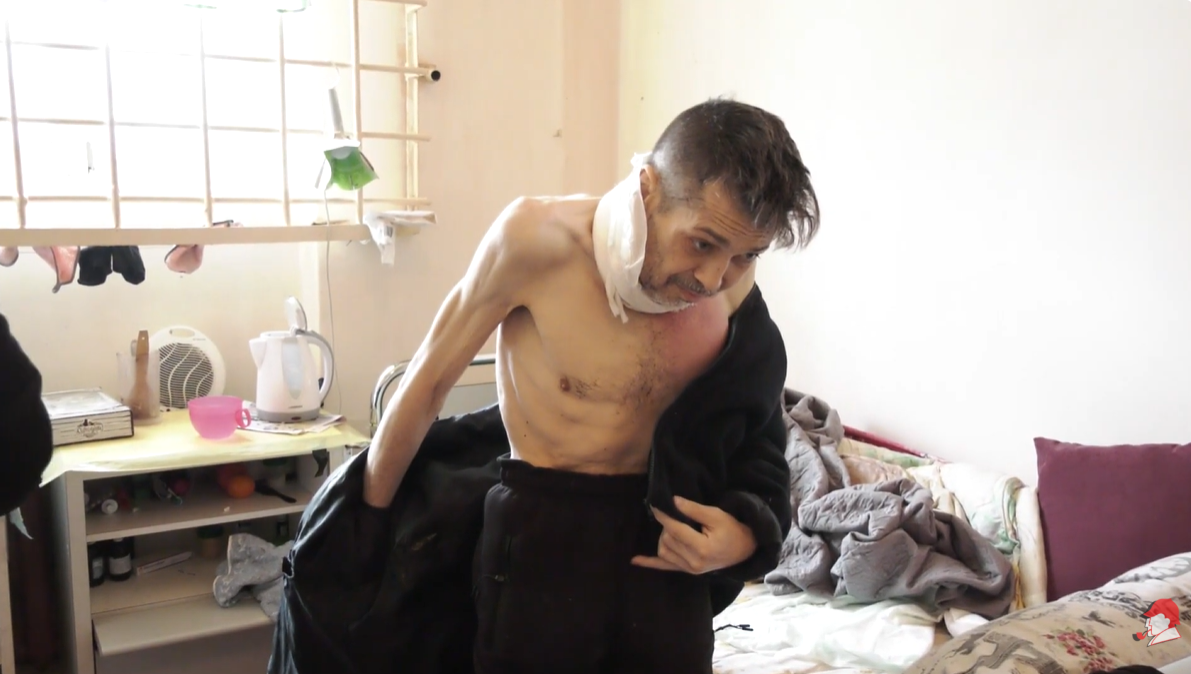
If a prisoner is diagnosed with cancer whilst in a prison or remand centre, there is virtually no chance of them surviving. In Ukraine’s prison healthcare system, in the 21st century, treatments such as chemotherapy, targeted therapy, immunotherapy, radiotherapy and surgical cancer interventions are not carried out. At all. In no institution. These shocking facts were reported to us in response to an enquiry by the State Institution “Health Centre of the State Penitentiary Service of Ukraine”.
Prison medical staff report that 146 people died from cancer in State Penitentiary Service institutions between 2021 and 2026. This situation is because the main methods of treatment for cancer patients according to the Medical Protocols are not provided to prisoners.
Consequently, a cancer patient has almost no chance of survival.
The only hope for this category of prisoners is release from serving their sentence on grounds of serious illness. This procedure is designed to ensure a convicted person’s right to proper treatment and the opportunity to save their own life. However, this procedure is not effective when it comes to saving the lives of cancer patients. This is because the prisoner’s diagnosis must fall within the List of Diseases that constitute grounds for release from further imprisonment. And under current legislation, only cancer patients with stage four cancer – who have a negligible chance of survival – are eligible for release for treatment.
Cancer patients with stage one, two or three cancer could have been treated with modern methods such as chemotherapy, targeted therapy, immunotherapy, radiotherapy, surgical cancer treatments, and they could have had a chance of being cured or of extending their lives by many years. But they aren't eligible for release under this procedure.
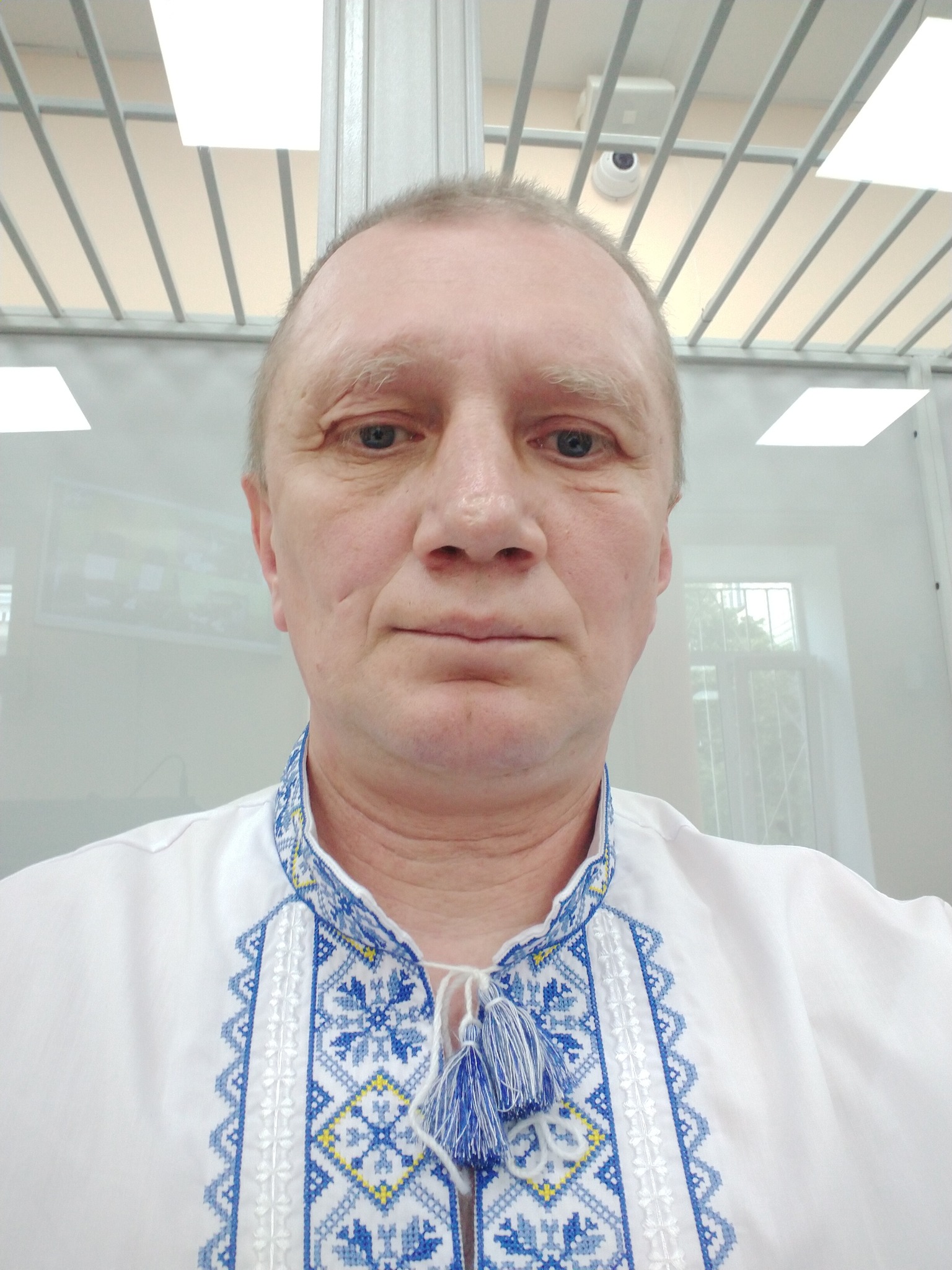
Ukrainian human rights activist Andriy Didenko, from the Kharkiv Human Rights Group, has been campaigning for many years for the rights of prisoners to receive proper medical treatment. He highlights the shortcomings of the current procedure.
- I must emphasise the following points: such a release is possible in certain cases. Most importantly, the person’s illness must be included in the List of Illnesses. However, these are illnesses where the person have one foot in the grave. For example, in the case of cancer, it must be stage four.
“The second aspect is no less important: that this illness prevents the prisoner from continuing to serve their sentence,” says Andriy Didenko.
One such ‘death’ story is the case of Vitaliy Matukhn, which we have covered in the past. Despite the ruling of the European Court of Human Rights, the prison healthcare system gave him no chance of survival.
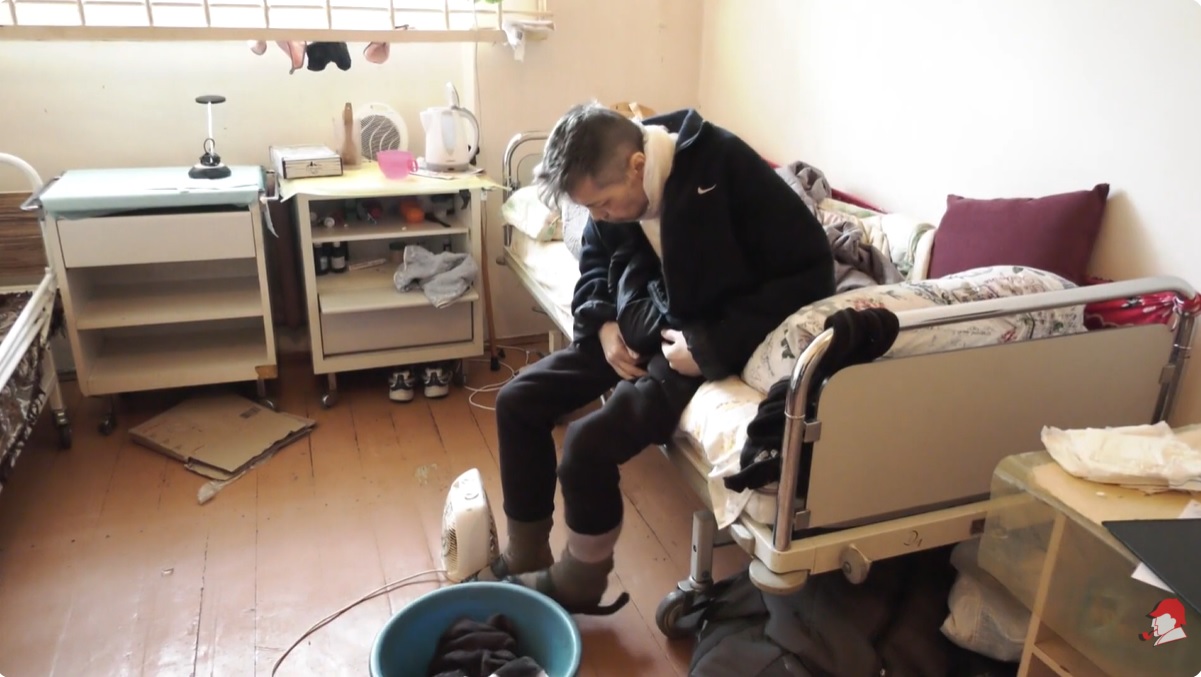
Matukhn was diagnosed with stage three cancer of the root of the tongue in the spring of 2022. His condition required immediate comprehensive treatment at a cancer centre: a combination of surgery, radiotherapy and chemotherapy. However, as we noted above, none of these methods are used in the prison healthcare system.
Vitaliy Matukhn was transferred to Lviv Multidisciplinary Hospital No. 19, attached to the Lviv Pre-trial Detention Centre.
The cancer progressed and advanced to stage four.
Throughout this time, human rights defenders have been campaigning for his release on the grounds of serious illness. Due to the danger to the patient’s life, his lawyers appealed to the European Court of Human Rights, which on 9 December 2022 applied Rule 39 of the Rules of Procedure requiring Ukraine to take interim measures. The ECHR called for him to be provided with proper examination and treatment.
But what we heard in court simply left us utterly stunned. Prosecutors insisted that Vitalii Matukhno was receiving the necessary treatment, that his health was being maintained at an adequate level, and that this did not prevent him from serving their sentence.
So what sort of treatment was Matukhn actually receiving? The testimony in court by the prison oncologist, Oleksandr Hrytsaishyn, was particularly outrageous. The doctor described the methods used to treat Matukhn: pain management, social and living conditions, as well as psychological and spiritual support.
And this is despite him having stage four cancer.
What’s more, the prison oncologist boasted to the judges that Matukhn was actually being treated quite well, as the prognosis had been that he would survive for 1.5–2 months, insted he has lived twice as long and is still alive.
Human rights defenders maintain that these conditions of detention constitute gross violations of human rights, in particular Article 3 of the European Convention on Human Rights (torture), as the European Court of Human Rights explicitly noted in its judgment.
On 30 January 2023, a panel of judges at the Lviv Court of Appeal ruled that Vitalii Matukhn should remain in custody.
On the fourth day after the court hearing, the patient died.
Describing these events, human rights activist Andriy Didenko noted that the tragedy that befell Volodymyr Rubchenko, who was suffering from stage four cancer, had been repeated. He died on 6 September without ever regaining his freedom. This was despite the ECHR having instructed the Government on 17 August to provide the applicant with inpatient treatment as a matter of urgency.
It is worth noting that Rubchenko had been given a suspended sentence (a probationary period). However, he breached procedural requirements by failing to report to the probation service. So he was arrested and remanded in custody at a pre-trial detention centre.
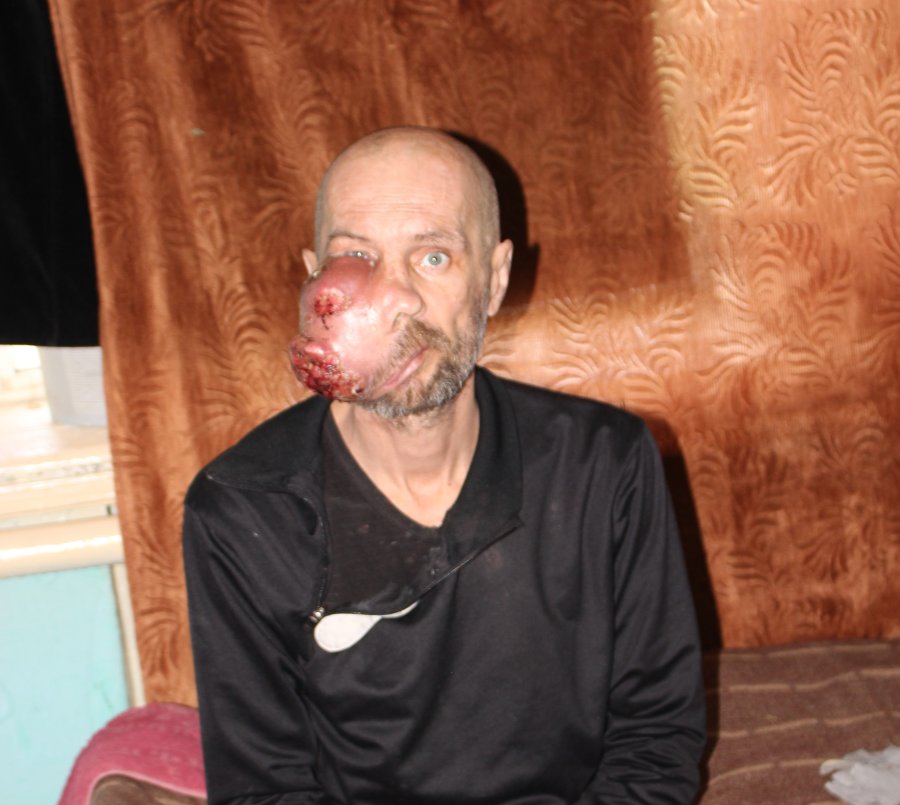
Suffering from stage four maxillary sinus cancer, Rubchenko was held in the remand centre for five months, then transferred to a penal colony, and subsequently to the Stryzhavsk Multidisciplinary Prison Hospital No. 81.
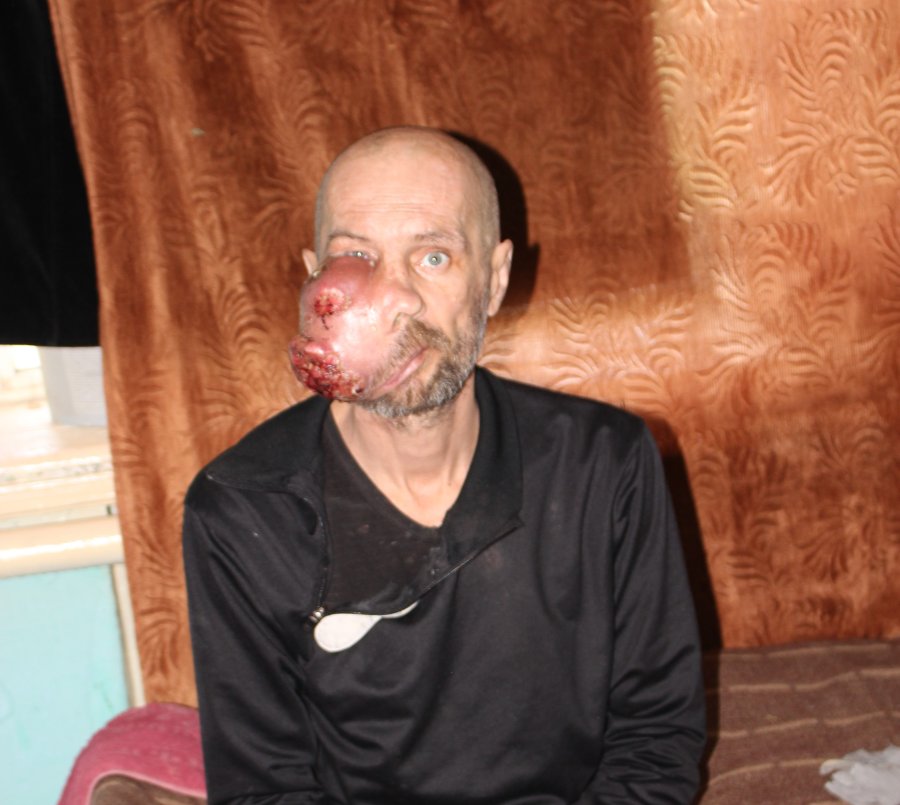
(photo Kharkiv Human Rights Group)
Actually the patient was left to die, because during the seven months that could have been spent in civilian hospitals saving the cancer patient’s life, Rubchenko was merely receiving bandage, antibiotics and painkillers.
Overall, according to data sent to us by the Central Health Department of the State Penitentiary Service of Ukraine, 2,009 convicts and prisoners died of illness between 2021 and 2026 (as of 31 March).
We decided to track the trends over recent years and compare this figure with the number of people held in State Penitentiary Service facilities during the corresponding periods.
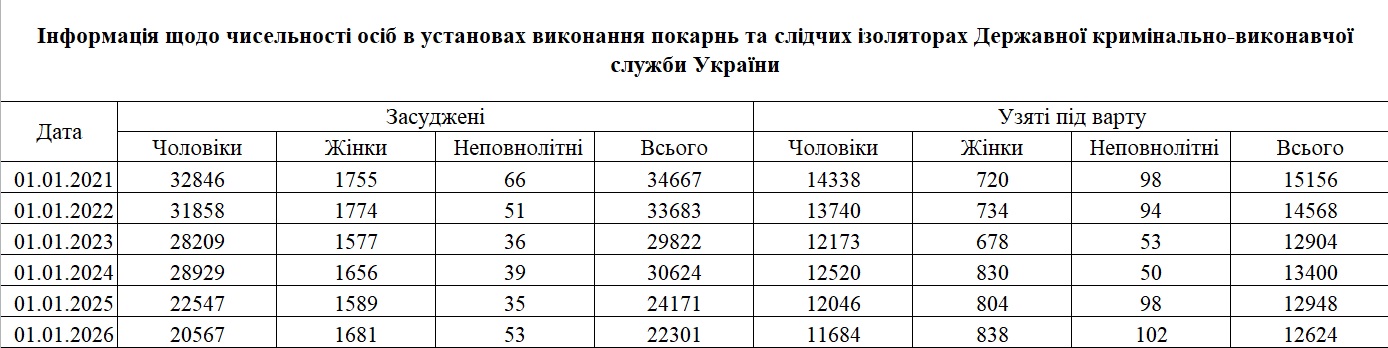
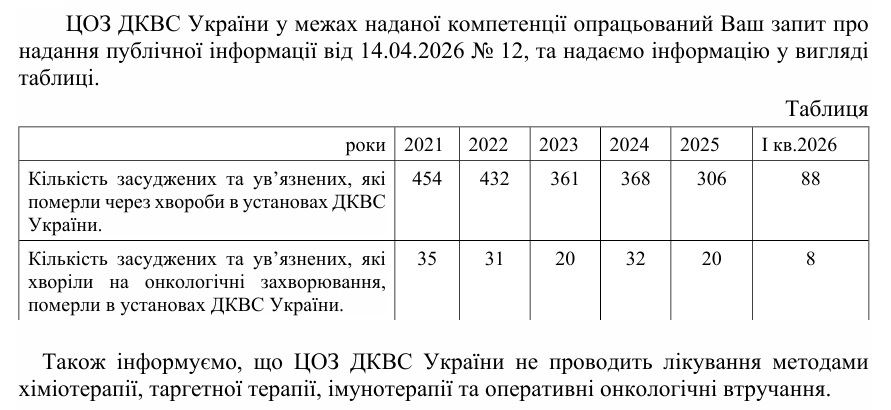
In 2021, 49,823 people were held in prisons and remand centres. 454 people died from illness. This represents 0.911%.
In 2022, the figures were 48,251 and 432 respectively. This represents 0.895 %.
In 2023, the figures were 42,726 and 361, representing 0.845 %.
In 2024 – 44,024 and 368 people – 0.836 %.
In 2025 – 37,119 and 306 people – 0.824 %.
In 2026 (first quarter) – 34,925 and 88 people. As a percentage, when considered in relation to the four quarters – 1.008 %.
The percentage of deaths from illness relative to the total number of detainees remains almost unchanged, although we can see a trend towards an annual decrease between 2021 and 2025 – albeit a negligible one.
However, the figures for the first quarter of this year show a sharp rise in the number of deaths in 2026 compared with the previous five years. And if this trend continues throughout the year, it will set a record for the decline in the quality of healthcare provision compared with previous periods.
And what about mortality rates among cancer patients? We found out from the Central Health Department of the State Penitentiary Service that 35 people with cancer died in 2021, 31 in 2022, 20 in 2023, 32 in 2024, 20 in 2025, and 8 in the first quarter of 2026.
The number of cancer deaths in prison fell between 2021 and 2023, but rose in 2024. Data for the first quarter of 2026 show a worrying trend, and if these figures continue until the end of this year, cancer mortality in 2026 will exceed that of any of the previous five years. Compared with 2023 and 2025, the cancer mortality rate will be more than one and a half times higher.
Human rights activist Andriy Didenko also draws attention to another issue within the system of exemption from serving a sentence due to serious illness. In particular, this concerns people suffering from mental health conditions or who are bedridden.
- I recently visited two patients. One was at Stryzhavsk Multidisciplinary Hospital No. 81, and the other at Starobabanivsk Correctional Colony No. 92. Both still have around five years left to serve.
The first is Gennadiy. He was convicted following a road traffic accident that took place back in 2017. Whilst he was receiving treatment, he contracted an infection. His condition is critical now: pus is constantly building up and needs to be drained regularly. Five of his ribs have already been removed. He must remain in a specialised medical facility at all times, with appropriate specialists who know how to treat him.
But here’s the catch – his condition is not included in this List of Diseases. Therefore, it is impossible to release him because of health in the courts.
The second patient is Serhiy. He lies there, unable to move or look after himself, wearing nappies. And his condition is also not included in this List. What should be done about people like this?
In the context of releasing individuals due to serious illnesses, I would like to mention one problem that remains effectively unresolved in our country. I mean the release of individuals from serving their sentences due to mental disorders. Specifically, the release with transfer to specialised psychiatric institutions for treatment.
According to the Article 84 of the Criminal Code, this possibility is provided. But in reality, there are no such cases.
I sent an enquiry to the Central Health Department of the State Penitentiary Service and received a reply stating that there had been four such releases over the last five years. There was no one released prisoner sentenced to life imprisonment.
During our monitoring visits, I have become aware of ten such cases of serious mental illness amongst prisoners serving life sentences. And this affects both staff and fellow inmates.
For instance, at Zamkova Prison No. 58, a prisoner suffering from mental health issues deliberately killed another prisoner. “This is a consequence of the failure to address such issues in the country,” concludes Andrii Didenko.
Numerous Ukrainian human rights organisations have been trying for years to address the issue of inadequate medical care in places of detention.
And the solution to this problem is obvious – to bring prison healthcare under the authority of the Ministry of Health. Then, it will be possible to raise the standard of medical care to that of civilian hospitals in places of detention.
VIII.
Torture in a prison for people with disabilities
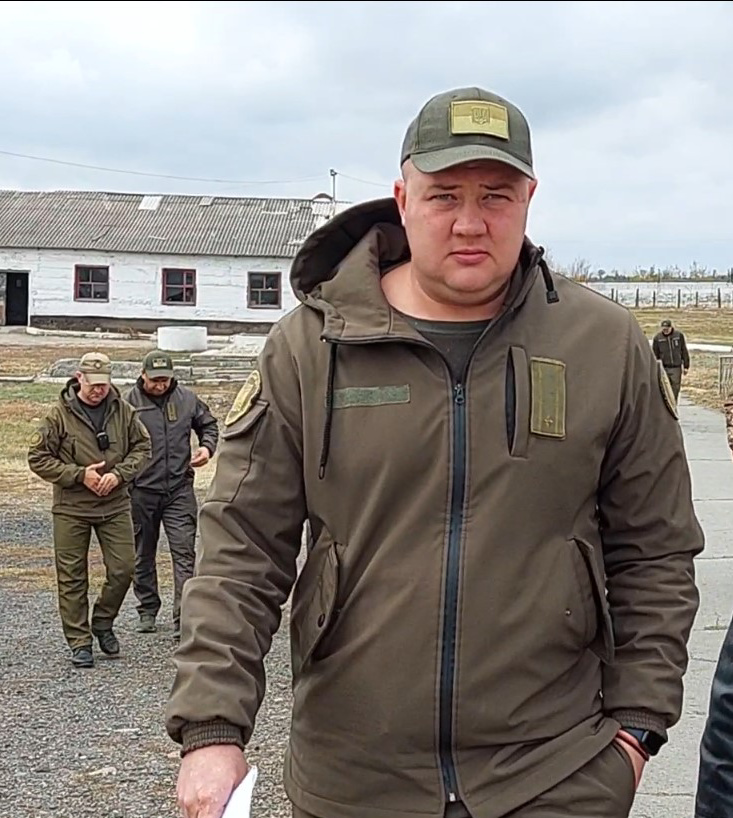
(photo: ‘Protection of Ukrainian Prisoners’ NGO)
The year is 2024. Sofiyivska Correctional Colony No. 45 in the Dnipropetrovsk region. Unable to endure the repression and torture any longer, some of the prisoners rise up. They turn to activists in the hope of securing justice.
At this prison, the administration organised systematic beatings of prisoners, carried out by their assistants from among the inmates (activists). A number of prisoners reported that prison staff were supplying drugs and vodka.
Human rights defenders responded to numerous complaints of ill-treatment. Monitors from the Kharkiv Human Rights Group visited this prison once again.
A number of prisoners who had suffered violence told the human rights defenders that activists collaborating with the prison administration systematically beat people in the cells, wrapped them in duct tape and subjected them to abuse.
The prisoners described the abuse they suffered at the hands of the activists, presented evidence of drug trafficking, and named prison staff members who were smuggling in drugs and vodka.
There are also reports of numerous instances where prison staff ‘urinated’ on newly arrived prisoners. This took place in the duty room and the quarantine block – administrative premises to which entry was permitted only with the prison administration’s authorisation.
When a large number of prisoners at the Sofiivska Colony rose up against the violence, a paramilitary unit was deployed to the colony. Those who dared to speak out against the brutality organised by the prison management were beaten. Ultimately, despite all their allegations of drug trafficking and systematic violence, criminal proceedings were brought against the very six men who had been beaten – on charges of disrupting the institution’s operations.
This is an evil that has never been punished. For the organized conveyor belt of torture of convicts, the leaders of this colony escaped punishment
The NGO “Defence of Ukrainian Prisoners” has exposed and publicised human rights violations at Sofiivska VK-45 for many years, with the aim of bringing those responsible to justice. Human rights activist Oleg Tsvilyi shared with us shocking details of the unprecedented brutality at this prison, as documented by “Defence of Prisoners of Ukraine”.
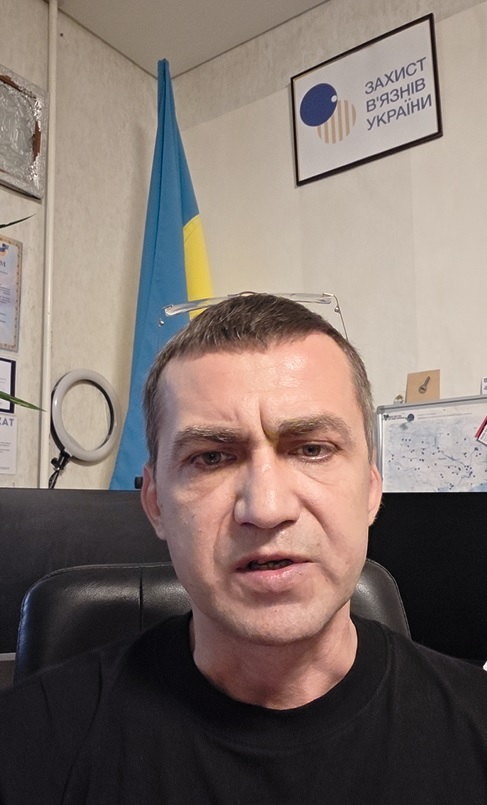
- Sofiyivska Correctional Colony No. 45 was for people with disabilities. It is the only colony in the whole of Ukraine where people with disabilities were sent.
The colony had a hospital with two wards – a general medicine ward and a neurology ward. However, we found that there was not any doctor in either ward.
When we visited, we saw that the hospital’s appointment book was fully booked a week in advance. The medicines were extremely expensive.
However, the prisoners told us that nobody had ever given them those medicines. We were told that there were pharmacies operating right next to the prison, where all these medicines ended up on the shelves for sale.
We also established that money was being taken out of people with disabilities pensions – for services that should have been provided free of charge.
There was a section in the prison for able-bodied people: all sorts of administration ‘helpers’. Let’s put it this way: ‘administration lackeys’ – lawless, unrestrained individuals who, ever since their time in pre-trial detention centres, had been working on the orders of the prison management. In particular, they organised ‘press cells’ in the Kryvyi Rih and Dnipro remand centres. There, they ruined many people’s lives by forcing prisoners to make confessions.
And so these activists, at the Sofiivska prison, with the prison administration’s complicity, committed acts of tyranny, reprisals and abuse against sick prisoners with disabilities.
These activists had been authorised by the prison management and subjected prisoners with disabilities to torture.
This story did not begin in 2024; it had been going on for a long time. Back in 2022, a prisoner was released who managed to smuggle out of the prison and publish a video showing these very same scoundrels – the activists – tying prisoners up with duct tape and urinating on them.
Actually, this is the greatest tragedy of prisoners lives. It’s generally referred to as ‘social death’.
These activists were granted various privileges by the prison administration whilst they were tormenting and breaking other prisoners. They were exempt from the prison regime, were allowed to wear civilian clothes, used mobile phones, and consumed alcohol and drugs,” said Oleg Tsvilyi.
Nowadays no one of staff at Sofiivska Prison No. 45 has been punished for organising such a “concentration camp” for people with disabilities. The prison was reorganised into a camp for prisoners of war at the end of 2024.
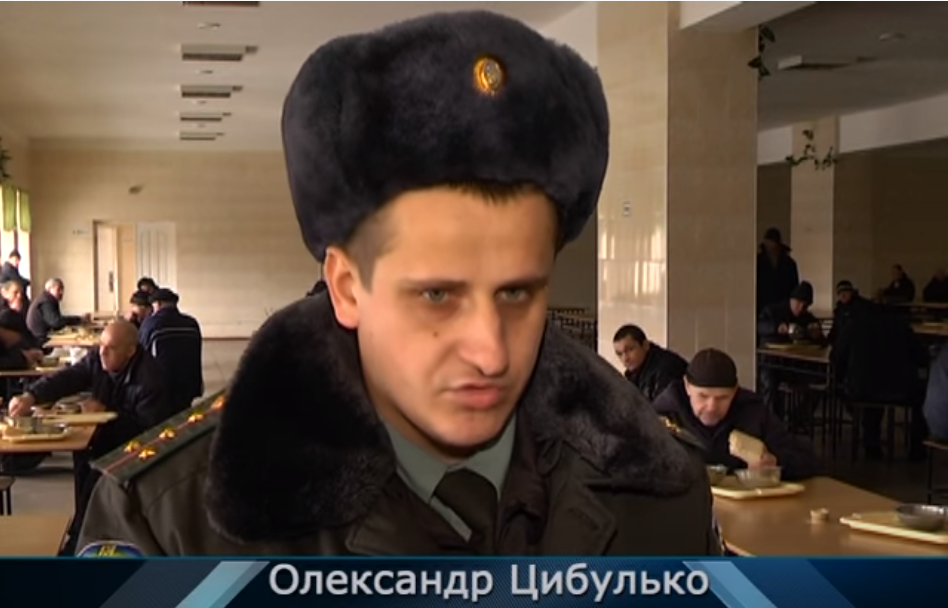
Its governor from 2021 to 2024, Oleksandr Tsybulko, subsequently took charge of Zhovtovodsk Penitentiary Colony No. 26. He currently serves as deputy governor of Vodyanska Penitentiary Colony No. 146. He has not been held to account for the atrocities that took place at Sofiivska Penitentiary Colony.
Denis Yatsenko, deputy head of the Sofiivka prison camp, who was accused by prisoners of smuggling vodka and drugs into the camp for activists, has also remained within the system. He is deputy head of the aforementioned prisoner-of-war camp now, which operates within the confines of this zone.
30.05.2026
Taras Zozulinskyy
The material was prepared within the framework of the project “Promoting the Protection of Human Rights in Ukraine through Human Rights Education and Public Engagement”, funded by the European Union within the framework of the implementation of a sub-grant provided by the Center for Civil Liberties. Its content is the responsibility of the Bureau of Investigative Journalism "Detectives" and does not necessarily reflect the views of the Center for Civil Liberties and the European Union.